

A box can arrive cold to the touch, with an intact insulated liner, yet the frozen food inside may feel softer than expected. Understanding why frozen food arrives thawed helps you make the right decision for your pet or aquarium animals - and helps separate a minor shipping concern from a true cold-chain problem.
Frozen pet food and frozen aquarium food are perishable products. Their condition at delivery matters more than whether every item looks exactly like it did when it left the freezer. A partially softened cube of brine shrimp is different from a fully warm package of frozen raw dog food, and both should be evaluated carefully before they are stored or fed.
Why Frozen Food Arrives Thawed
Most frozen orders are packed to stay frozen through a specific delivery window, not to remain unchanged indefinitely in transit. Even with insulation and dry ice, shipping conditions can vary. A carrier delay, unusually warm weather, a missed delivery attempt, or a package sitting on a sunny porch can shorten the time dry ice has to protect the contents.
Dry ice does not melt into a puddle like regular ice. It changes directly from a solid into carbon dioxide gas. That process is called sublimation, and it is normal to open a package with less dry ice than expected - or with none visibly remaining. What matters is whether the food itself stayed properly frozen or safely cold until you received it.
The size and contents of the order also affect performance. A larger shipment of frozen food can hold its temperature longer because the products create more cold mass together. A small order, especially during high heat, has less thermal reserve. Insulation slows heat transfer, but it cannot overcome every delay or exposure condition.
The Difference Between Softened and Unsafe
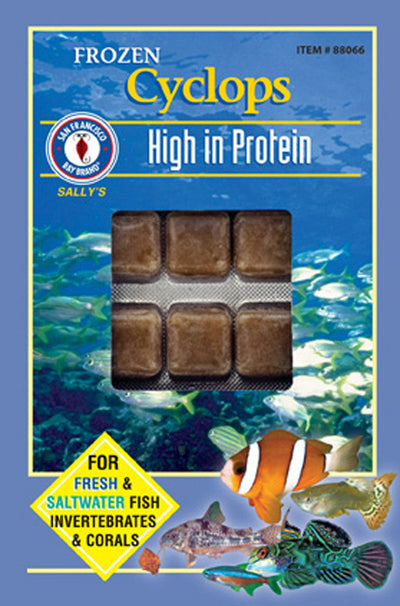
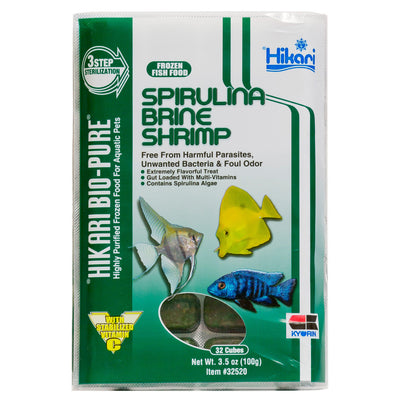
Not every soft package means the food has been compromised. Frozen foods can soften at the surface or around the edges while the center remains solidly frozen. Individual aquarium-food cubes may look damp or slightly loose in a blister pack after transit, but remain cold enough to refreeze if they still contain ice crystals and have not warmed substantially.
For frozen raw diets, patties, nuggets, or chubs, inspect the package before making assumptions. Product that is still refrigerator-cold, has visible ice crystals, and has remained below 40 degrees Fahrenheit may be suitable to refrigerate and use promptly, depending on the manufacturer’s handling guidance. However, food that is fully thawed and warm should not be refrozen or fed.
Use your senses and the package condition, but do not rely on appearance alone. A package can look frosty while a delayed shipment has experienced temperature swings. Conversely, condensation on an exterior bag does not automatically mean the food became unsafe. When available, a food thermometer gives you a more useful answer than a visual guess.
Signs the Shipment May Still Be Acceptable
Frozen food that arrives firm, with ice crystals present, should be moved to the freezer right away. If it is partially thawed but still very cold, follow the product label and manufacturer guidance for refrigerated use or refreezing. Keep in mind that refreezing can affect texture, especially with frozen fish food, but it may not necessarily mean the product is unusable when it has stayed safely cold.
For aquarium keepers, softened frozen cubes can be inconvenient because they may stick together or lose their neat portion shape. That is a quality concern worth noting, but it is not always a food-safety issue. Feed only the amount your fish, corals, or invertebrates will consume promptly, and avoid leaving excess food in the aquarium.
Signs You Should Not Use the Food
Do not feed or refreeze frozen food that arrives warm, has leaked, has swollen packaging, or has been fully thawed for an unknown length of time. For raw pet food, temperature control is particularly important because thawed products can support bacterial growth when held too warm for too long.
If a package is damaged, take clear photos before disposing of the shipping materials. Photograph the outer box, insulation, product packaging, and any dry ice label or temperature indicator included with the shipment. Those details make it easier for the retailer to assess what happened and make it right under the applicable frozen-arrival policy.
Shipping Conditions That Can Change the Outcome
Reliable frozen fulfillment begins before the box reaches the carrier. Product should leave storage fully frozen, then be packed with appropriate insulation and dry ice for the route and service level. At Pets Warehouse, frozen orders ship Monday through Wednesday via Next Day Air in insulated packaging with dry ice to limit the chance that an order sits in transit over a weekend.
Still, the final leg of delivery is important. A delivery driver may encounter traffic, severe weather, high temperatures, or an address where a package cannot be left safely. Apartment buildings, gated communities, offices, and rural addresses can add practical complications. The food may be packed correctly and still face a challenge after it reaches your local delivery area.
Weather is not the only factor. A box left in direct summer sun warms much faster than one brought indoors immediately. In winter, outdoor temperatures may be cold enough to help protect the shipment, but they can also create other concerns, such as food freezing harder than intended or package materials becoming brittle.
How to Prepare for a Frozen Delivery
The best frozen shipping plan is a shared effort between the shipper and the recipient. Choose a delivery day when someone can bring the box inside as soon as possible. Watch for tracking updates, especially if your area is experiencing heat, storms, or carrier delays.
Before the delivery date, make room in your freezer. This sounds simple, but it prevents a box from sitting open on the counter while you rearrange food. If you are ordering frozen fish food for a heavily stocked aquarium or frozen diet portions for several dogs, having storage ready protects the investment from the moment the package arrives.
When the box is delivered, open it promptly. Use gloves or tongs if dry ice is still present, and never handle dry ice with bare skin. Open the package in a well-ventilated area, since carbon dioxide gas can build up in a small enclosed space. Do not seal leftover dry ice in a container, and do not put it in a sink, garbage disposal, or standard freezer.
What to Do If Your Frozen Order Is Thawed
First, assess the food immediately. Check whether it is frozen solid, partially thawed with ice crystals, refrigerator-cold, or warm. Move clearly frozen items to the freezer. Separate any questionable packages so you do not accidentally store or feed them before deciding how to handle them.
Next, document the condition while the delivery details are still clear. Take photos, retain the order information, and contact customer service promptly if the food did not arrive frozen as promised. Do not discard the packaging until you have recorded the condition and received instructions. A frozen-arrival guarantee is most useful when the issue can be reviewed quickly and accurately.
Avoid trying to solve a temperature problem by judging only the remaining dry ice. Dry ice can be gone even when the product is still adequately frozen, particularly after normal transit time. On the other hand, dry ice still present does not eliminate the need to inspect the food itself. The product temperature and condition are the real priorities.
A Better Way to Shop Frozen Food Online
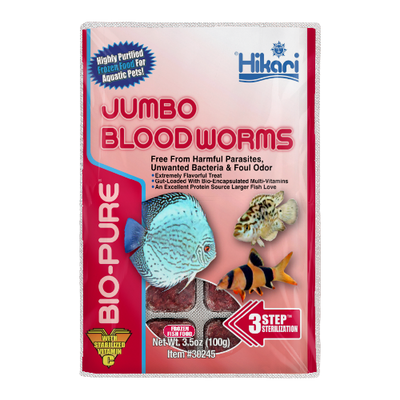
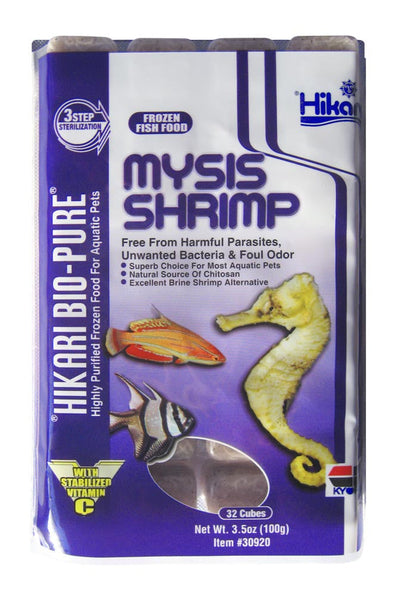
Frozen food can be one of the most practical ways to provide species-appropriate nutrition, from mysis shrimp and bloodworms for aquarium inhabitants to raw diets for dogs and cats. It also requires more planning than a bag of shelf-stable kibble or dry flake food. Ordering early enough for a weekday delivery, tracking the shipment, and receiving it promptly are part of protecting product quality.
If you have a recurring need for frozen food, consider ordering an amount that fits your freezer space and feeding schedule. Larger orders can offer better cold retention in transit, but only if you can store them correctly once delivered. For smaller households or nano-aquarium keepers, a modest order may be the more sensible choice.
A properly packed frozen shipment should give you confidence, not uncertainty. Be ready to receive it, inspect it as soon as it arrives, and act quickly if its condition does not meet the frozen-arrival standard. That simple routine helps keep the focus where it belongs: providing dependable nutrition for the animals in your care.