
A frozen cube dropped straight into the aquarium can look harmless, especially when hungry fish rush to it. But acclimating frozen fish food before feeding helps prevent a concentrated cold spot, gives you better portion control, and keeps unwanted packing juices from entering the tank when they are not needed.
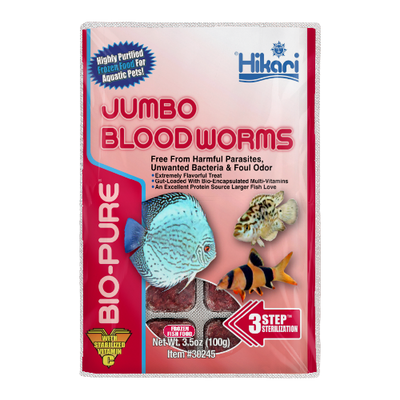
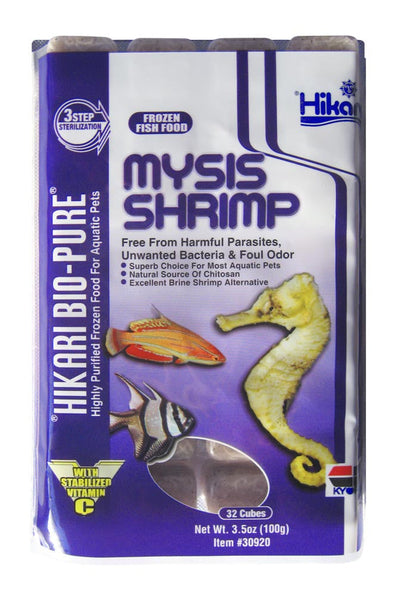
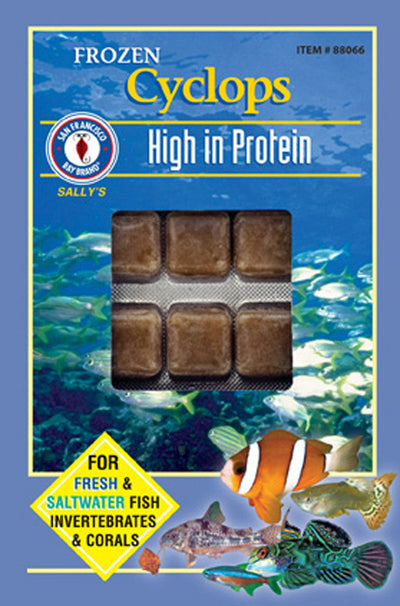
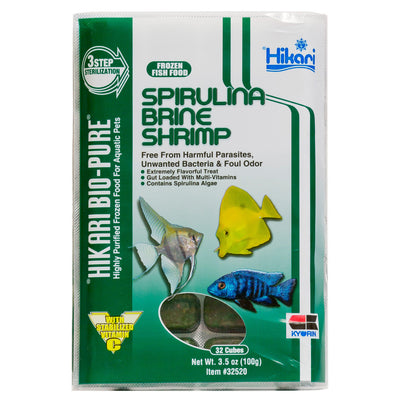
Frozen foods such as brine shrimp, mysis shrimp, bloodworms, krill, plankton, spirulina blends, and specialty reef formulas can provide the variety many freshwater and saltwater fish need. The key is not simply defrosting the food. It is handling it in a way that respects the needs of your fish, corals, filtration, and water chemistry.
Why Acclimating Frozen Fish Food Matters
A single frozen cube is unlikely to crash the temperature of an established aquarium. Still, placing food into the tank while it is frozen sends a very cold item directly into a small area where fish may immediately feed. In a nano aquarium, fry tank, breeding setup, or a tank with delicate animals, there is even less water volume to buffer that change.
The more practical concern is control. Thawing lets you see how much food you are offering before it disperses. This reduces the risk of overfeeding, which can leave excess food in the substrate or rockwork and contribute to ammonia, nitrate, phosphate, algae growth, and cloudy water.
Thawed food also allows you to decide whether to include or discard the liquid from the package. That liquid may contain fine food particles and nutrients. For fish that need every bit of nutritional value, it can be worth feeding in moderation. For tanks already dealing with elevated nutrients or nuisance algae, straining and rinsing may be the better choice.
How to Acclimate Frozen Fish Food
Use a clean small cup, feeding dish, or dedicated container. Avoid using anything that has held soap, cleaning products, lotions, or food residue. Aquarium animals can be highly sensitive to contaminants that would not concern a person.
1. Remove only the amount you plan to feed
Take out one cube, a portion of a sheet, or the amount appropriate for your fish. Return the rest of the package to the freezer immediately and keep it tightly closed to limit freezer burn.
Portion size depends on the number and species of animals in the aquarium. A useful starting point is to offer only what the fish can consume within a few minutes. Fish with slower feeding habits, bottom dwellers, seahorses, and corals may require a more targeted feeding approach, but the same principle applies: feed deliberately, not by guesswork.
2. Thaw the food in a little aquarium water
Add a small amount of aquarium water to the container, then place the frozen food in it. Water from the aquarium brings the food closer to tank temperature without exposing it to untreated tap water or extreme heat.
Most cubes thaw within a few minutes. Gently swirl the container or use a clean feeding tool to break apart the food as it softens. You are looking for a loose, fully thawed mixture, not a solid chunk that will sink or float away before the right animals can eat it.
If you prefer not to remove tank water, a small amount of purified water can work for thawing. However, aquarium water is generally the most direct option because it matches the temperature and chemistry of the display.
3. Decide whether to strain or feed the thawed liquid
This is where the best method can vary by aquarium. Some frozen foods release a noticeable amount of liquid as they thaw. That liquid can carry very small food particles that benefit filter feeders, small fish, and some corals. It can also add dissolved nutrients and organic material to the aquarium.
For a well-maintained fish-only aquarium with healthy nutrient levels, feeding the thawed liquid in a controlled amount is often reasonable. For a reef tank, a heavily stocked aquarium, or a system fighting algae and high phosphate, strain the food through a fine mesh net or sieve. A quick rinse with clean purified water can further reduce excess liquid before feeding.
Do not assume rinsing is always better. Rinsing can remove some fine particles and soluble nutrients that certain animals use. Match the approach to your aquarium's condition and the food being offered.
4. Feed where your fish can use it
Pour the thawed food into an area with moderate flow so it moves through the aquarium without immediately being pulled into the overflow or filter intake. For many community aquariums, feeding near the current from a circulation pump works well.
Target feeding is often smarter for animals that do not compete well at the surface. A turkey baster, feeding pipette, or long feeding tube can deliver thawed food closer to bottom feeders, anemones, corals, seahorses, or shy fish. Turn off strong pumps briefly if the food would otherwise scatter too quickly, then restart them after the animals have had time to feed.
5. Discard leftovers from the thawing container
Once food has thawed, it should be fed promptly. Do not return thawed food to the freezer. Refreezing changes texture, increases the chance of bacterial growth, and makes portion quality less predictable.
Discard any uneaten thawed food from the container. It is better to thaw a little more at the next feeding than to save leftovers for later. Frozen fish food is a high-value nutrition source only when it is handled cleanly and fed in sensible portions.
Common Mistakes to Avoid
The biggest mistake is using hot water, a microwave, or direct sunlight to speed up thawing. Heat can partially cook the food, damage delicate nutrients, and create uneven temperatures. A few minutes in aquarium water is safer and easier.
Another mistake is treating every frozen food the same way. Bloodworms can be an occasional protein-rich food for many freshwater fish, while mysis shrimp may be a staple for numerous marine fish. Herbivores may need spirulina-rich blends, marine algae, or other plant-forward options alongside meaty foods. Variety matters, but so does choosing foods that fit the species you keep.
Overfeeding is also easy when frozen food comes in convenient cubes. One cube may be appropriate for a large, active community aquarium but excessive for a small tank. Watch your fish during feeding. If food reaches the bottom uneaten or keeps circulating after fish lose interest, reduce the next portion.
Finally, do not use your fingers to handle frozen food if you have recently applied lotion, hand sanitizer, medication, or household cleaners. A dedicated feeding spoon or clean tweezers are simple safeguards.
Frozen Food Storage and Delivery Checks
Proper acclimation starts before the food reaches the aquarium. Store frozen fish food at a consistent freezer temperature and avoid leaving packages out while you prepare other aquarium tasks. Repeated thawing at the edges of a package can reduce quality over time.
When a frozen order arrives, inspect it promptly. Products should be frozen or contain dry ice residue and remain cold enough that the food has not fully thawed. A small amount of frost or normal package condensation is not automatically a problem, but fully thawed, warm, or leaking packages deserve immediate attention.
Pets Warehouse ships frozen products in insulated packaging with dry ice through Next Day Air service and stands behind its Arrives Frozen Guarantee. That cold-chain care helps ensure the food you selected is ready for proper freezer storage and careful feeding when it reaches your door.
Match the Routine to Your Aquarium
There is no single thawing routine that fits every tank. A lightly stocked freshwater community aquarium may do well with a thawed cube fed whole, while a nutrient-sensitive reef aquarium may benefit from a strained, target-fed portion. Breeding fish, juvenile fish, and picky marine species may need smaller meals more often rather than one large feeding.
Build the routine around what you observe: clear water, stable test results, active feeding behavior, healthy body condition, and minimal leftovers are good signs. Taking those few extra minutes before each feeding turns frozen food from a convenient treat into a more controlled part of your aquarium care.