

A missed feeding is usually recoverable. A heater that sticks on, an auto top-off that keeps running, or a dosing pump set to the wrong volume can change an aquarium fast. That is the real value of aquarium automation: not replacing the aquarist, but making the repeatable parts of care more consistent while giving you earlier warning when something is wrong.
For a busy freshwater community tank, automation may be as simple as a light timer and an automatic feeder used sparingly. For a reef aquarium or heavily stocked system, it can include temperature control, automated top-off, dosing, leak detection, and remote alerts. The right setup depends on livestock, tank size, your maintenance routine, and how much risk you are prepared to manage.
Start With the Jobs That Need Consistency
The best candidates for automation are tasks that need to happen on a predictable schedule and can be checked easily. Lighting is usually first. A programmable timer or smart light controller creates a dependable day-night cycle, helps limit overly long photoperiods, and saves you from remembering to turn lights on and off. Keep the schedule realistic - most tanks do not need lights blazing from breakfast through bedtime.
Temperature is another strong use case. A quality heater remains necessary, but a separate temperature controller adds a layer of protection by cutting power if the heater runs beyond the set range. It can also alert you to an unexpected drop caused by a failed heater, cold room, or power problem. Use a properly sized heater, place the temperature probe where water circulates well, and verify the controller with a separate thermometer.
Automatic feeders can work well for dry foods, pellets, flakes, and some granules. They are particularly useful for a dependable daily portion or for short periods away from home. They are not a reason to feed more than the fish need. Most feeder problems come from oversized portions, humidity clumping food inside the hopper, or a feeder that dispenses differently than expected.
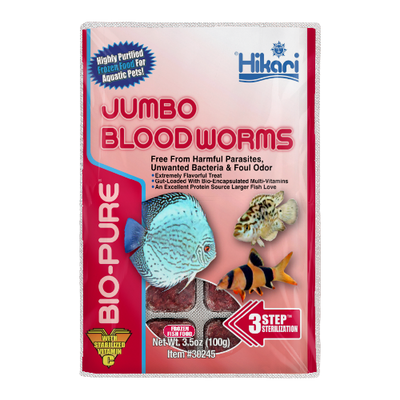
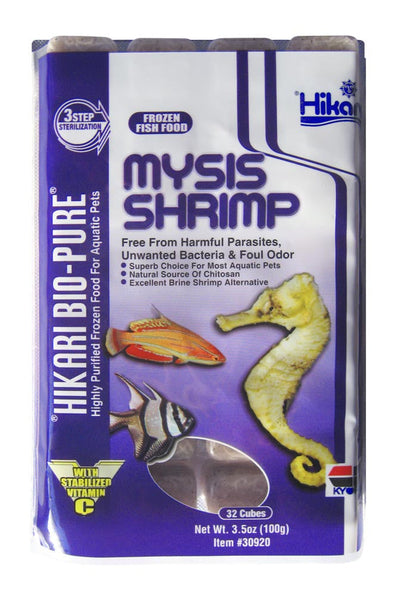
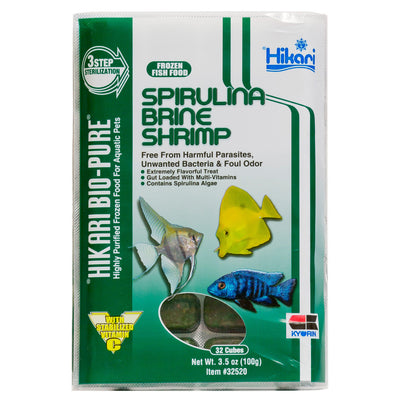
Frozen fish food deserves a hands-on approach. Cubes, gel foods, and frozen preparations cannot sit in an automatic feeder safely, and nutrition should not be reduced to whatever is easiest to dispense. For fish that benefit from frozen mysis, brine shrimp, plankton, bloodworms, or species-specific blends, plan for a trusted caretaker or feed before and after a brief trip. A stable, well-fed aquarium is built on appropriate portions and variety, not maximum automation.
Aquarium Automation Is a Safety Layer, Not a Substitute
Automation can make a system more stable, but every automated device adds a possible failure point. Pumps clog. Sensors collect mineral deposits. Wi-Fi disconnects. Power outages happen. A controller may show normal readings while a probe has drifted out of calibration.
That does not mean advanced equipment is a bad investment. It means each device needs a manual backup plan. If an automatic feeder fails, can your fish safely miss a meal? Usually, yes. If a return pump stops, will the display tank overflow or will the sump run dry? If a top-off pump malfunctions, how much fresh water could enter the system before a safety float stops it?
Think in terms of failure limits. A dosing container should not hold enough additive to create a dangerous overdose in one day. An auto top-off reservoir should be sized so that a worst-case pump failure cannot dramatically lower salinity. A heater controller should be set with a narrow but sensible range, not a temperature far above the heater's own thermostat.
Build Your System in a Practical Order
There is no need to automate every part of an aquarium on day one. Add equipment in the order that provides the most protection for your particular tank.
1. Put lighting and temperature on dependable control
A light timer and heater controller solve common consistency problems without changing your basic care routine. Check the timer after seasonal clock changes and power interruptions. For temperature, inspect the display reading daily at first, then compare it to a reliable glass or digital thermometer regularly.
2. Add automated feeding only after testing it
Set up the feeder over a container or empty tank area first. Run several feed cycles and measure the actual output. Then use it while you are still home for at least a week. Food can absorb moisture near an open aquarium, so inspect the hopper and keep the feeder opening clean.
A feeder is best treated as a controlled supplement to your routine. If you normally offer several foods, use the feeder for one measured dry feeding and continue providing frozen or specialty foods manually. This approach maintains nutrition while reducing the chance of overfeeding.
3. Consider auto top-off for evaporative systems
Auto top-off systems are especially useful on saltwater tanks, where evaporation changes salinity even though salt itself does not evaporate. They can also help freshwater aquariums maintain a steady water level. Use purified water when appropriate for your system, protect tubing from slipping out of place, and clean float switches or optical sensors on a routine schedule.
Redundant sensors and a small reservoir are worth considering when the tank is in a finished room, near flooring, or connected to a sump. A simple water-level device is convenient; a carefully installed one is much safer.
4. Use dosing pumps when you can test what they deliver
Dosing pumps can make routine supplementation more consistent in planted and reef aquariums. They are not a shortcut around water testing. Before automating fertilizers, calcium, alkalinity, magnesium, or other additives, establish actual consumption through regular tests. Then program a conservative dose and retest often after any adjustment.
Prime the lines correctly, label every container, and keep additives from being confused with one another. If a parameter is drifting, do not keep increasing the dose blindly. Check test accuracy, review your water-change routine, and look for equipment problems first.
Monitoring Can Be More Valuable Than Control
The most useful aquarium technology is often the equipment that tells you when conditions have changed. Leak sensors near a stand or sump can provide an early warning before a small drip becomes damaged flooring. Power-failure alerts can be valuable for tanks with sensitive livestock, especially during storms or when you are away.
Water monitors and full aquarium controllers can track temperature, pH, conductivity, water level, and equipment status, depending on the model. They offer convenience and a centralized view of the system, but they should not make you ignore direct observation. Fish behavior, water clarity, a noisy pump, condensation under a lid, and an unusual odor often reveal a problem before a number does.
Remote monitoring is useful when it gives you a clear action to take. An alert that your aquarium is 1 degree outside its target may not require an emergency response. An alert that the temperature is rising continuously, the return pump has stopped, or water is detected on the floor does.
Keep a Manual Maintenance Routine
No automated setup eliminates water changes, filter maintenance, testing, algae control, or livestock observation. In fact, automation makes a simple checklist more valuable because you are relying on devices to perform essential jobs between visits.
Once a week, look over cords, tubing, pumps, probes, feeder compartments, and water levels. Confirm that filters are flowing normally and that the heater controller and thermometer agree. Test water based on the needs of your aquarium, not just when the fish appear stressed. For reef and planted systems, review dosing levels against recent test results rather than relying on a schedule you set months ago.
Before travel, do not make major changes. Clean equipment, top off reservoirs, prepare food, test automated devices, and ask someone to check the aquarium if you will be gone long enough for a problem to matter. Leave written instructions that focus on observation and emergencies, not complicated adjustments.
Choose Equipment That Fits the Tank You Have
Compatibility matters more than feature count. A controller designed for a large reef system may be unnecessary for a small freshwater aquarium, while a basic timer may not provide enough protection for an aquarium with expensive, temperature-sensitive livestock. Select equipment based on the consequences of a failure, not just the appeal of controlling a tank from your phone.
At Pets Warehouse, aquarium keepers can find the everyday foods, filtration supplies, replacement equipment, water-care products, and frozen fish foods that support a consistent care plan. The goal is not to fill the stand with gadgets. It is to build a system where dependable equipment, appropriate nutrition, and regular attention keep your fish and invertebrates in stable conditions.
Set up automation slowly, test every device while you are home, and keep your eyes on the aquarium itself. The healthiest tank is still the one with an observant keeper behind it.