
A bright green flake or algae wafer can disappear fast in a community tank, but that does not mean every fish needs it as a main meal. When aquarists ask what fish eat spirulina, the short answer is many freshwater and saltwater fish will accept it. The better question is which species benefit most, and how spirulina fits into a diet that matches their natural feeding habits.
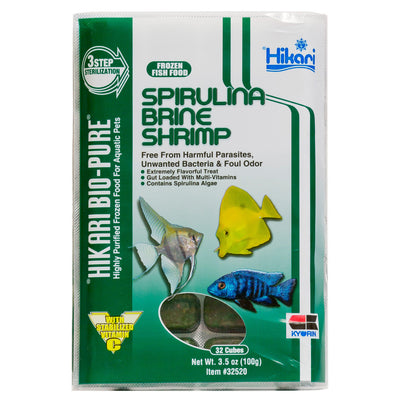
Spirulina is a nutrient-dense cyanobacteria commonly included in flakes, pellets, wafers, gel foods, and some frozen food blends. It is valued for protein, pigments, and plant-based nutrition that can support digestion, condition, and natural color. Still, a food containing spirulina is not automatically a complete diet. The best results come from choosing the right formula for the fish in your aquarium and rotating foods thoughtfully.
What Fish Eat Spirulina Most Readily?
Herbivores, omnivores, and fish that naturally graze on algae or biofilm are usually the strongest candidates for spirulina-rich foods. These fish are adapted to taking in plant material regularly, even when they also eat insects, crustaceans, or other animal proteins.
Freshwater livebearers such as mollies, platies, guppies, and swordtails often do very well with a quality spirulina flake or pellet in their rotation. They are omnivores that readily graze on algae, and plant matter can help keep their diet balanced. Goldfish also benefit from vegetable-forward foods, especially adult fish that can struggle with digestive issues when fed only rich, high-protein formulas.
Many African cichlids are another natural fit. Mbuna cichlids, Tropheus, and other rock-grazing species consume substantial amounts of algae and attached microorganisms in the wild. A spirulina-based flake or pellet can be a useful everyday option for these fish, although the exact food should reflect the species. Some African cichlids are more omnivorous or predatory than others, so avoid treating every cichlid as a strict herbivore.
Plecos and other algae-grazing catfish will often eat spirulina wafers, sinking pellets, and vegetable-based tablets. Bristlenose plecos, clown plecos, and many common pleco varieties can use these foods as part of their routine. They still need variety. Driftwood is important for species that rasp wood, while vegetables and species-appropriate protein foods may also have a place in the menu.
Several other freshwater fish commonly accept spirulina foods, including rainbowfish, barbs, silver dollars, and many peaceful community fish. For omnivorous species, spirulina is often best used alongside a quality staple food and occasional frozen offerings.
Saltwater Fish That Benefit From Spirulina
In marine aquariums, tangs and rabbitfish are among the most obvious spirulina eaters. These active grazers need frequent access to marine plant material, and spirulina-containing pellets or flakes can add useful variety. However, spirulina should not replace marine algae sheets or other foods formulated specifically for herbivorous saltwater fish. Different algae sources provide a broader nutritional profile.
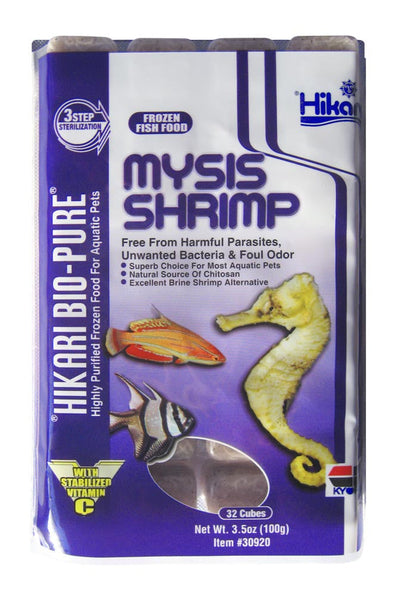
Many marine omnivores - including clownfish, damsels, some angelfish, and certain wrasses - will also eat spirulina-based prepared foods. For these fish, it is generally a supporting ingredient rather than the centerpiece of the diet. They often need animal-based proteins from foods such as mysis shrimp, brine shrimp, krill, or other appropriate frozen foods.
When Spirulina Should Not Be the Main Food
Carnivorous fish may eat spirulina flakes or pellets, but acceptance is not the same as nutritional need. Bettas, many larger predatory cichlids, lionfish, puffers, and predatory catfish require diets built around animal protein. A small amount of spirulina in a balanced formula is not harmful for most healthy fish, but it should not displace the foods those species are designed to digest.
This distinction matters with community tank feeding. A single food that makes the herbivores happy may leave a carnivore underfed, while a protein-heavy food fed all day can be hard on algae grazers. Mixed aquariums often do best with targeted feeding: a staple flake or pellet for the community, sinking spirulina wafers for bottom feeders, and a separate protein-rich food for fish that need it.
Do not assume algae growing on aquarium glass is enough food for an algae-eating fish, either. In a well-maintained tank, natural algae may be limited, and it is not a reliable complete diet. Spirulina foods, vegetables, and species-specific formulas help close that gap.
Choosing Spirulina Food by Fish Type
The food form matters almost as much as the ingredient list. Surface-feeding livebearers and many community fish usually do well with flakes, while cichlids may take flakes, granules, or pellets depending on their size and feeding level. Sinking wafers and tablets are practical for plecos and other bottom feeders because they deliver food where those fish can reach it.
Read the label rather than buying based on the green color alone. For herbivores and algae grazers, look for spirulina or other vegetable ingredients positioned prominently in a formula designed for their group. For omnivores, a balanced food with both plant and aquatic protein ingredients is usually the safer choice. For carnivores, spirulina should appear as one part of a protein-forward formula, not the primary selling point.
Color-enhancing foods often contain spirulina because its natural pigments can support red, orange, yellow, and blue coloration. That can be useful, but color food is still food, not a shortcut. Clean water, stable temperature, low stress, and a varied diet all influence how fish look.
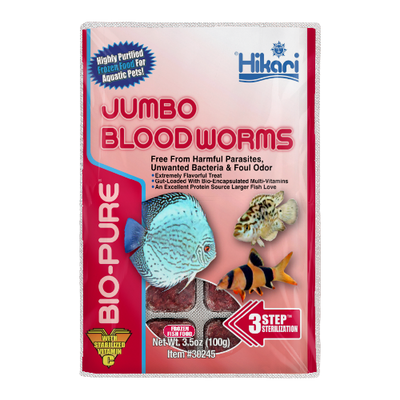
Frozen foods can also play an important role in a spirulina-inclusive feeding plan. Herbivores may benefit from vegetable-based frozen blends, while omnivores and carnivores often need protein-rich frozen foods to complement their dry diet. Pets Warehouse has supplied specialty aquarium nutrition for decades, including recognized frozen food brands for fishkeepers who want more choice than a single everyday flake.
How Much Spirulina Food Should You Feed?
Feed only what your fish can finish promptly, usually within two to three minutes for flakes and pellets. With wafers, offer a portion that bottom feeders can consume over a few hours without leaving a large amount to break down overnight. The proper amount depends on fish size, stocking level, water temperature, and what else is being fed that day.
For herbivorous fish, spirulina-rich food may be offered daily as part of the regular diet. Many keepers alternate a spirulina flake or pellet with algae wafers, vegetables, and a modest amount of protein-rich food. For omnivores, feeding spirulina several times a week is often enough, with other quality foods filling out the schedule.
Carnivorous fish generally need spirulina less often. If their staple food already includes a small amount of spirulina, there is usually no reason to add more unless the overall diet calls for it. Feeding variety should improve nutrition, not create excess waste.
Watch the Tank, Not Just the Feeding Chart
Fish behavior and water quality provide the best feedback. Healthy fish should show steady interest in food without frantic competition, bloating, stringy waste, or uneaten portions piling up on the substrate. If wafers are being ignored, try a smaller portion, a different texture, or feeding after lights dim for nocturnal bottom dwellers.
Remove leftovers when possible. Spirulina foods are nutritious, but excess food is still excess food. It can raise waste levels, affect water quality, and encourage nuisance algae - the opposite of what most aquarium keepers want.
A Better Way to Use Spirulina in Your Aquarium
Spirulina works best as a dependable part of a species-appropriate menu, not as a one-food answer. Give algae grazers regular access to plant-based nutrition, give omnivores a balanced rotation, and reserve protein-heavy diets for fish that truly need them. When the food matches the fish, you will see the difference where it counts: steady appetite, cleaner feeding habits, and fish in strong everyday condition.