
As a proud Betta fish owner, you know that these vibrant, captivating creatures are true carnivores at heart. While they may grace our aquariums with their stunning fins and mesmerizing colors, their dietary needs are far from simple. One of the most sought-after treats for Bettas is the humble frozen bloodworm - a delicacy that can unlock their inner predator and provide a nutritional boost that will have your finned friend swimming with joy.
Carnivorous Biology: Feeding the Betta's Predatory Instincts
Bettas are not your average aquarium fish. These magnificent creatures are members of the Anabantidae family, which means they are true carnivores. In the wild, Bettas would typically feast on small insects, crustaceans, and even the occasional small fish. Their sharp teeth and voracious appetite make them skilled hunters, and it's this predatory nature that we must cater to when caring for them in our home aquariums.
Bloodworms vs. Brine Shrimp: Choosing the Right Treat
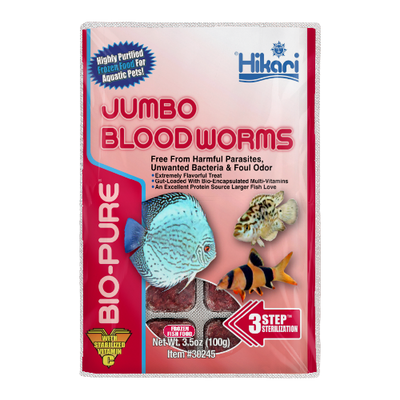
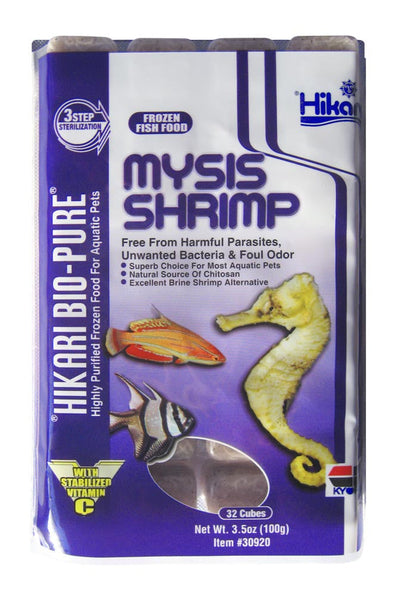
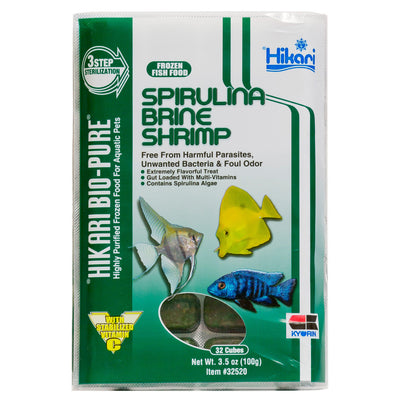
While brine shrimp are a popular choice for Betta owners, frozen bloodworms offer a more nutrient-dense and protein-rich option. Bloodworms are the larvae of the non-biting midge fly, and they are packed with essential amino acids, vitamins, and minerals that are crucial for your Betta's health and well-being. In contrast, brine shrimp, while a good source of protein, lack the same level of nutritional complexity that bloodworms provide.
Portion Sizing: Feeding Your Betta with Care
When it comes to feeding your Betta frozen bloodworms, it's important to remember that moderation is key. Bettas have small stomachs, and overfeeding can lead to digestive issues and even obesity. As a general rule, aim to feed your Betta 2-3 frozen bloodworms per feeding, no more than 2-3 times per week. This will ensure that your Betta is getting the nutrients it needs without risking any adverse effects.
Feeding Frequency: Keeping Your Betta's Appetite Satisfied
Bettas are natural predators, and their feeding habits reflect this. In the wild, they would typically hunt and consume small prey throughout the day, rather than relying on a single large meal. When caring for a Betta in an aquarium, it's best to mimic this natural feeding pattern by providing small, frequent meals.
Instead of offering a large portion of frozen bloodworms all at once, consider breaking up the feeding into smaller, more frequent servings. This not only satisfies your Betta's predatory instincts but also helps to prevent overfeeding and maintain a healthy digestive system.
At Pets Warehouse, we understand the importance of providing your Betta with the best possible care and nutrition. That's why we offer a wide selection of high-quality frozen bloodworms, carefully sourced and packaged to ensure maximum freshness and nutritional value. Visit our online store today and explore our collection of frozen fish food, including the perfect treats for your beloved Betta.
Remember, when it comes to caring for your Betta, a little bit of knowledge and attention can go a long way. By understanding their carnivorous nature and providing them with the right balance of frozen bloodworms and other nutritious foods, you'll be well on your way to keeping your Betta happy, healthy, and thriving in your home aquarium.