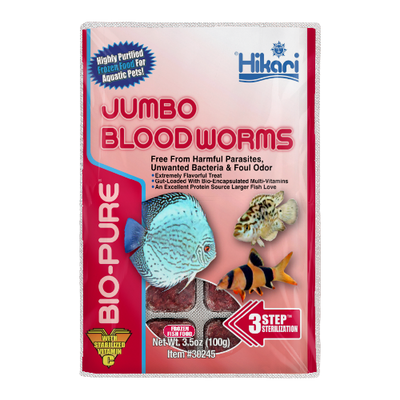
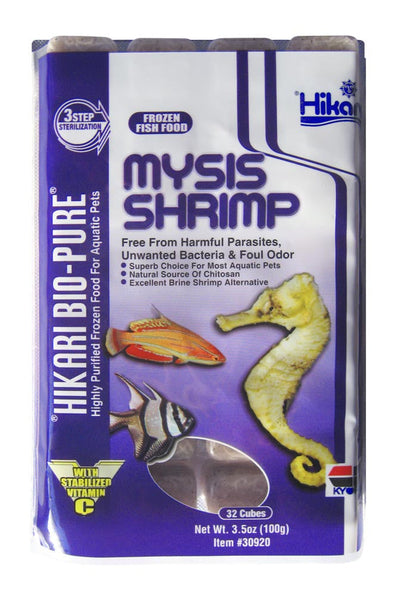
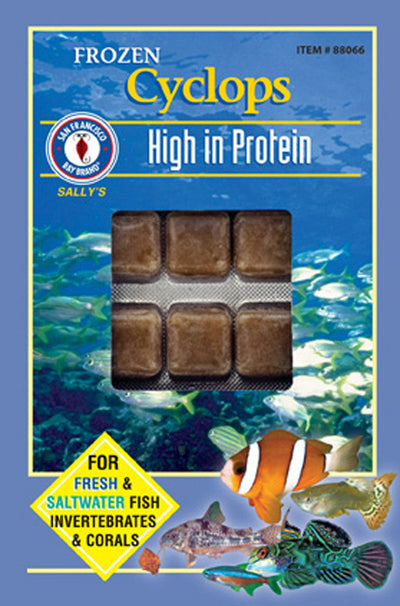
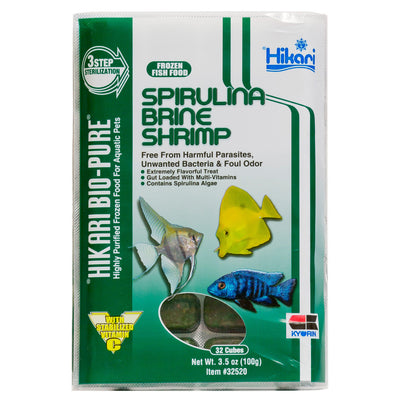

As pet owners, we all want to provide the best possible care for our beloved aquatic companions. One of the most important aspects of this is ensuring they receive a balanced and nutritious diet. When it comes to feeding fish, frozen bloodworm cubes have become a popular choice among hobbyists. These nutrient-dense morsels offer a convenient and healthy way to supplement your fish's diet.
In this comprehensive guide, we'll explore the ins and outs of feeding frozen bloodworm cubes, from proper portion sizes to storage tips. Whether you're a seasoned aquarist or just starting out, this post will equip you with the knowledge to make the most of this versatile fish food.
Determining the Right Cube Size
One of the first considerations when feeding frozen bloodworm cubes is the appropriate portion size for your fish. The size of the cube you choose will depend on the size and species of your aquatic pets. As a general rule, aim for cubes that are no larger than the space between your fish's eyes.
For smaller fish, such as tetras or guppies, a single cube the size of a pea or a small marble is typically sufficient. Larger fish, like cichlids or goldfish, may require a cube the size of a grape or a small cherry tomato. It's important to monitor your fish's feeding behavior and adjust the portion size accordingly to prevent overfeeding.
Thawing Frozen Bloodworm Cubes
Before feeding your fish, it's essential to properly thaw the frozen bloodworm cubes. This process helps ensure the cubes are easy for your fish to consume and prevents any potential digestive issues.
To thaw the cubes, simply place them in a small container of tank water. Allow the cubes to sit for 5-10 minutes, or until they have fully softened and become pliable. Avoid using hot water, as this can damage the nutritional content of the bloodworms.
Once the cubes have thawed, you can gently break them apart with your fingers or a fork, making it easier for your fish to eat. It's important to avoid letting the thawed cubes sit for too long, as they can quickly become contaminated or lose their nutritional value.
Feeding Frequency and Portion Control
Establishing a consistent feeding routine is crucial for the health and well-being of your fish. When it comes to frozen bloodworm cubes, it's generally recommended to feed your fish 2-3 times per week, with each feeding consisting of a small portion.
For most fish, a single cube or a small pinch of thawed cubes is sufficient. It's important to monitor your fish's feeding behavior and adjust the portion size as needed. Overfeeding can lead to water quality issues and potential health problems, so it's best to err on the side of caution.
If you have a larger aquarium or a community of fish, you may need to adjust the feeding schedule and portion sizes accordingly. Consult with us to determine the optimal feeding regimen for your specific setup.
Proper Storage and Handling
Proper storage and handling of frozen bloodworm cubes are essential to maintain their freshness and nutritional value. When not in use, it's best to keep the cubes stored in the freezer.
To prevent freezer burn and cross-contamination, it's recommended to store the cubes in an airtight container or resealable bag. This will help lock in the freshness and prevent the cubes from absorbing any unwanted odors or flavors from the freezer.
When it's time to feed your fish, be sure to handle the cubes with clean hands or utensils. Avoid letting the cubes sit at room temperature for extended periods, as this can promote bacterial growth and compromise the quality of the food.
By following these storage and handling guidelines, you can ensure that your frozen bloodworm cubes remain fresh and nutritious, providing your fish with the essential nutrients they need to thrive.
At Pets Warehouse, we understand the importance of a balanced diet for your aquatic pets. That's why we offer a wide selection of high-quality frozen bloodworm cubes, along with other premium fish food options. Visit our online store today to explore our collection and find the perfect feeding solution for your aquarium.