

Frozen food is one of the most effective ways to provide species-appropriate nutrition, whether you feed a dog a frozen raw diet or stock an aquarium with mysis shrimp, brine shrimp, or specialty blends. But shipping frozen pet food is not the same as sending dry kibble or aquarium supplies. The food has to stay at a safely frozen temperature from the warehouse to your doorstep, which depends on careful packing, the right carrier service, and timing that accounts for the delivery week.
For pet owners, the goal is simple: order with confidence, receive food that is still frozen, and get it into the freezer promptly. Here is what makes that possible and what to expect when ordering frozen products online.
Why Shipping Frozen Pet Food Requires Planning
Frozen diets and frozen aquarium foods are perishable products. Their quality depends on maintaining the cold chain - the uninterrupted temperature-controlled path from storage through delivery. A well-packed box is only part of that process. It also needs enough dry ice for the transit time, insulated packaging that slows heat transfer, and expedited delivery that avoids unnecessary days in transit.
This is why shipping schedules matter. Frozen orders are generally sent Monday through Wednesday by Next Day Air, rather than later in the week when a package could be held over a weekend. Limiting the shipping window helps prevent delays that could leave a box in a carrier facility longer than planned.
Weather is another practical factor. A hot summer week raises the demand on insulation and dry ice, while winter temperatures can make outdoor exposure less concerning but do not eliminate the need for proper cold protection. A dependable frozen-shipping program plans for these variables rather than treating every shipment the same.
What Protects Frozen Food in Transit
The best frozen-food shipping setup uses several layers of protection. Each one has a job: hold the cold, maintain it for the expected transit period, and give the shipment the fastest reasonable route to the customer.
Insulation Keeps the Cold Where It Belongs
Insulated packaging creates a barrier between the food and outside temperatures. It does not create cold on its own, but it slows the rate at which heat reaches the contents. That gives the dry ice time to do its work, especially as a box moves through delivery trucks, sorting facilities, and doorsteps.
The amount and type of insulation can vary by order size, destination, and expected conditions. A small package and a large case order do not have identical needs. The point is to pack the order for the trip it will actually take, not just for the few minutes it spends leaving the warehouse.
Dry Ice Provides the Freezing Power
Dry ice is carbon dioxide in solid form, and it is much colder than ordinary ice. As it changes directly from a solid to a gas, it keeps the surrounding products frozen. That makes it a practical choice for shipping frozen pet food, including raw dog food and frozen fish foods.
Dry ice naturally dissipates during transit. Seeing little or no dry ice remaining when the package arrives does not automatically mean there is a problem. What matters most is the condition of the food itself. Products that arrive solidly frozen should be transferred to the freezer right away.
Because dry ice can cause cold burns, handle it carefully. Avoid touching it with bare hands, keep the package in a ventilated area while opening it, and keep it away from children and pets. Never store dry ice in a sealed container.
Expedited Service Reduces Uncertainty
Fast delivery is a key part of frozen fulfillment. Next Day Air shortens the time a shipment spends outside controlled freezer storage and reduces the number of handoffs along the route. It also gives the packing materials a clearer, more predictable job: protect the order for a defined delivery window.
That predictability matters for aquarium keepers who may be replenishing a staple food for finicky marine fish, freshwater community tanks, fry, or predatory species. It also matters for dog owners who rely on a frozen diet as part of a consistent feeding routine. A delayed food shipment can create an avoidable gap in the freezer.
How Pets Warehouse Ships Frozen Orders
Pets Warehouse uses insulated packaging and dry ice, with frozen orders shipping Monday through Wednesday via Next Day Air. This schedule is designed to keep orders moving during the business week and avoid unnecessary weekend transit time.
The company backs this process with an Arrives Frozen Guarantee. If an order does not arrive frozen, the issue should be reported promptly so it can be reviewed and made right. That assurance is not just a marketing phrase. It reflects the operational details behind frozen fulfillment: proper storage, insulated packing, dry ice, carrier selection, and controlled shipping days.
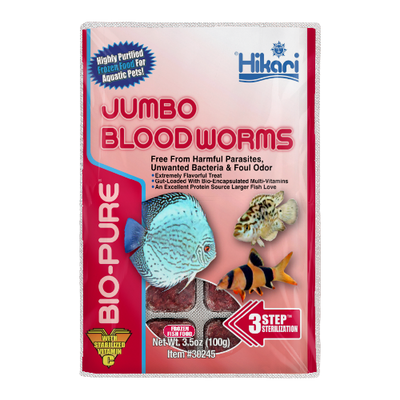
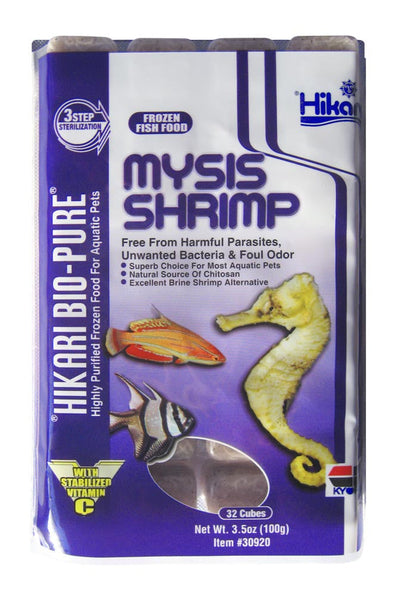
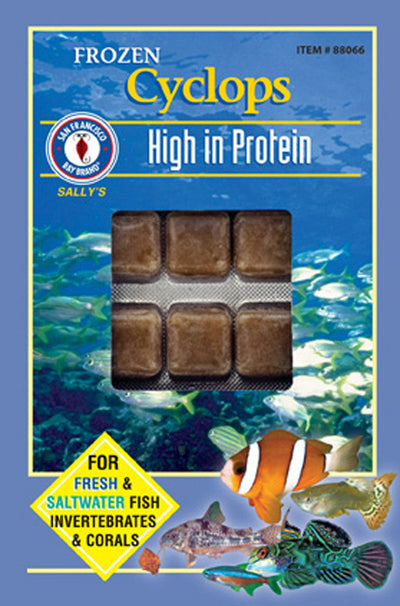
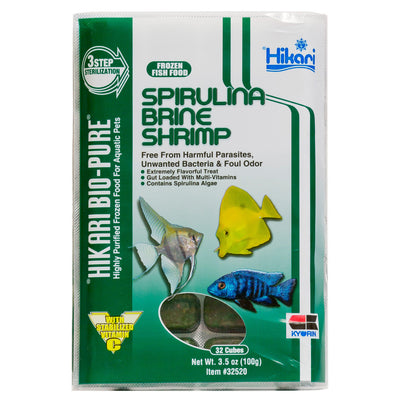
For customers ordering specialty brands such as Hikari, San Francisco Bay Brand, PE Mysis, Ocean Nutrition, Bravo!, or Smallbatch, that reliability is especially valuable. These are not products many households want to replace with whatever happens to be on a nearby shelf. Consistent access to the correct food supports a more stable feeding program for the animals in your care.
How to Prepare for a Frozen Delivery
A little preparation on the receiving end helps protect your order. Choose a delivery address where someone can bring the box inside as soon as possible. If you are at work during the day, consider whether a trusted neighbor, household member, or workplace delivery option is more practical.
Track the package once it ships, particularly during warm weather. You do not need to wait at the door all day, but you should know the expected delivery date and avoid leaving the box outdoors for hours after arrival. A shaded porch is better than direct sun, yet a freezer is always the destination.
Before placing an order, leave enough room in your freezer. Frozen foods may be packed in trays, cubes, pouches, patties, or larger bags, and bulky insulation can make the box seem larger than expected. Organizing freezer space ahead of time makes it easier to transfer food quickly and keep products easy to identify later.
What to Check When Your Box Arrives
Open the outer box promptly and inspect the frozen products before putting everything away. The food should be frozen or have clear signs that it remained frozen throughout shipment. Packaging should be intact, with no widespread leakage or swollen, compromised containers.
There can be some normal condensation around insulated materials as the box changes environments. The key question is the food's condition, not whether the dry ice is still visible. If products are solidly frozen, place them in the freezer. If you have concerns about thawing, take clear photos of the contents and packaging before disposing of any materials, then contact customer service promptly.
For quick reference, look for these four signs:
- Products are firm and frozen, not soft or fully thawed.
- Packages are sealed and free of significant damage or leaks.
- The contents feel appropriately cold when handled through packaging.
- The order matches what you purchased, including quantities and product varieties.
Frozen Aquarium Food and Frozen Diets Have Different Needs
The shipping method is similar, but how customers use the food differs. Aquarium hobbyists often order multiple varieties at once, building a feeding rotation of mysis, brine shrimp, bloodworms, plankton, krill, or prepared blends. Once received, these foods should remain frozen until feeding, then be portioned according to the species, tank size, and feeding plan.
Dog owners purchasing frozen food may be managing a more substantial freezer inventory. Consider your dog's daily portion, the number of days you want on hand, and how much room the order will require. If you are transitioning to a new diet, follow the feeding guidance from the manufacturer or your veterinarian rather than changing meals abruptly.
In either case, shipping works best when the order fits your storage capacity and feeding routine. Ordering too little can mean frequent shipments; ordering too much can crowd the freezer or make it harder to use food in an orderly rotation.
When Timing May Affect Your Order
Frozen shipping is dependable when the process is followed, but some situations require extra awareness. Severe weather, carrier disruptions, holidays, and remote delivery areas can affect transit expectations. Ordering before you reach the last package in your freezer gives you a useful buffer if a shipping day changes.
If you will be traveling, wait to order until you can receive the package. Likewise, avoid scheduling delivery to a vacant home, unsecured apartment lobby, or location where the box may sit for an extended period. The strongest insulation and dry ice cannot replace prompt freezer storage after delivery.
Frozen pet food gives many pet owners and aquarium keepers access to specialized nutrition that may not be consistently available nearby. With the right packing, shipping schedule, and arrival plan, your order can arrive ready for the freezer and ready to support the feeding routine your animals already know.