


A successful marine tank is decided long before the first fish comes home. The best saltwater aquarium guide starts with a simple truth: saltwater fish and corals need stable conditions more than they need expensive equipment. Build the system around that stability, give it time to mature, and you will avoid many of the losses that make beginners think the hobby is harder than it is.
Start With the Right Saltwater Aquarium
For a first marine aquarium, larger is usually easier. A 20-gallon tank can work for a carefully planned nano reef or fish-only setup, but water chemistry changes quickly in a small volume. A 40- to 75-gallon aquarium gives you more room to stock responsibly, more time to correct a mistake, and more choices in compatible fish.
Choose the tank based on the animals you want to keep, not the empty space you want to fill. A pair of clownfish, a few small peaceful fish, and easy corals can suit a modest reef aquarium. Tangs, larger angelfish, triggers, and active schooling fish require substantially more swimming room and filtration. Buying a larger tank later is often more costly than planning for your intended livestock from the beginning.
A fish-only system is generally the more forgiving starting point. A reef aquarium adds the reward of live coral, but it also adds lighting demands and tighter expectations for alkalinity, calcium, magnesium, and nutrient control. There is no wrong choice. The right one matches your available time, budget, and willingness to test water regularly.
Equipment That Supports Stability
A dependable setup does not require every accessory on the shelf. It does require equipment sized for your tank and maintained on schedule. Start with an aquarium, stand, heater, thermometer, filtration, circulation pump, lighting, and a reliable lid or screen top. Marine fish can jump, including species that seem calm until they are startled.
Filtration can take different forms. A hang-on-back filter is practical for smaller fish-only systems. A sump adds water volume, keeps equipment out of sight, and offers room for mechanical media, a protein skimmer, heaters, and a return pump. Neither option removes the need for routine maintenance.
Water movement is especially important in saltwater aquariums. Circulation prevents waste from settling in dead spots, brings oxygen-rich water to livestock, and helps corals receive food and exchange gases. Aim flow across the aquarium rather than directly at one coral or fish. Soft corals generally prefer gentler, variable movement, while many small-polyp stony corals need stronger flow and more intense lighting.
A protein skimmer is not mandatory for every small, lightly stocked tank, but it is valuable on many marine systems. It removes dissolved organic waste before it becomes a larger nutrient problem. For reef keepers or aquariums with heavier fish loads, choose a skimmer appropriate for the actual water volume and avoid relying on inflated manufacturer ratings.
Use Proper Saltwater From Day One
Marine salt mix should be combined with purified freshwater, ideally reverse osmosis/deionized water. Tap water can contain chlorine, metals, nitrate, phosphate, or dissolved minerals that fuel nuisance algae and make water chemistry unpredictable. A water conditioner can address chlorine and chloramine, but it does not provide the consistency of purified water.
Mix saltwater in a clean container with a dedicated pump or powerhead and heater. Let it circulate until fully dissolved, then check salinity with a calibrated refractometer or a quality digital salinity meter. For most reef and marine fish aquariums, a specific gravity around 1.025 to 1.026 at the correct temperature is a common target. Match the salinity of replacement water to the display tank as closely as possible.
Do not add dry salt directly to an aquarium containing fish or corals. Undissolved salt can create concentrated pockets that harm livestock. Keep a small reserve of mixed saltwater ready when possible. Equipment failures and spills are easier to handle when you are not mixing an emergency batch under pressure.
Cycle the Aquarium Before You Stock It
The nitrogen cycle is not a waiting period. It is the process of establishing bacteria that convert toxic ammonia into nitrite and then into the less harmful nitrate. Fish produce waste continuously, so the bacteria colony has to be present before a full fish population is added.
Set up the tank with mixed saltwater, heat, circulation, and biological filtration running. Add an ammonia source intended for fishless cycling and test ammonia, nitrite, and nitrate with a dependable test kit. Bottled bacteria can help establish the process, but it does not eliminate the need to measure results.
Your aquarium is ready for its first modest addition only when it can process added ammonia to zero ammonia and zero nitrite within a day. Nitrate will usually remain, and that is expected. Perform a water change if nitrate is elevated before adding fish. Cycling with hardy fish may seem faster, but it exposes living animals to toxic compounds and can create a poor start for the entire system.
Stock Slowly and Plan for Adult Size
Add the first fish sparingly, then allow the biological filter to adjust before the next addition. Even a cycled aquarium can experience ammonia or nitrite if several fish are introduced at once. Test after each new addition, especially during the first several months.
Compatibility matters as much as size. Research each species for adult dimensions, temperament, diet, reef safety, and required tank footprint. A small fish at the store may grow quickly or become territorial as it settles in. Some fish are peaceful toward unrelated species but aggressive toward fish with a similar body shape or color.
Quarantine is one of the most useful habits a marine keeper can adopt. A separate, simple quarantine tank gives new fish time to eat, recover from shipping, and show signs of parasites or illness before entering the display aquarium. It also gives you a controlled place to treat problems if treatment becomes necessary. Never assume a healthy-looking fish is free of disease.
A cleanup crew can help manage algae and leftover food, but it is not a substitute for maintenance. Snails, hermit crabs, shrimp, and other invertebrates each have their own needs and limitations. Add them in response to a real food source in the tank rather than purchasing a large assortment before algae is present.
Feed for Health, Color, and Water Quality
Overfeeding is one of the quickest ways to create cloudy water, algae growth, and rising nitrate or phosphate. Feed only what fish can consume in a short period, then adjust based on body condition and behavior. Healthy fish should show a full but not swollen body, alert swimming, and interest in food.
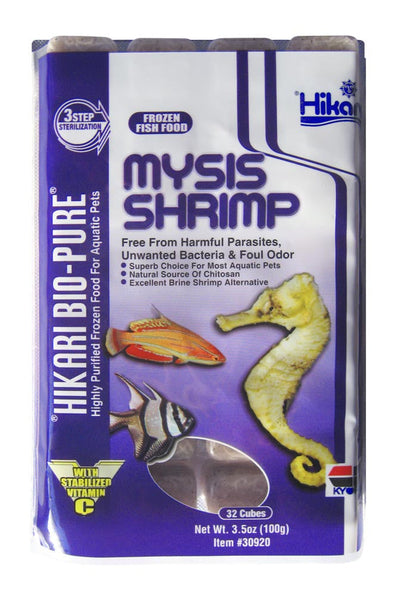
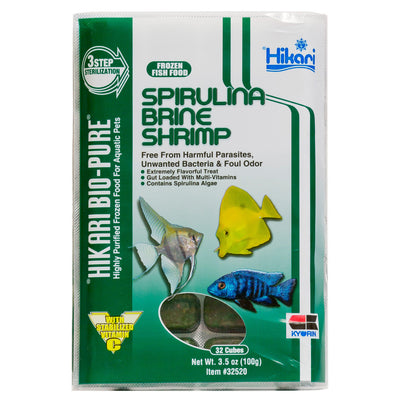
Variety is valuable because marine species do not all eat the same way. Many community fish do well with a rotation of quality marine pellets, flakes, frozen foods, and species-appropriate algae-based foods. Carnivores may benefit from mysis shrimp, brine shrimp used as part of a varied diet, or other marine blends. Herbivores need consistent vegetable matter, not occasional treats.
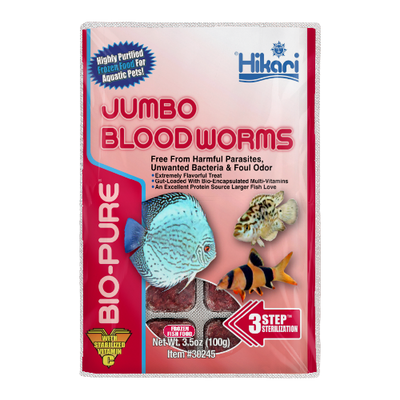
Frozen foods are especially useful for finicky fish, young fish, and species that need a more natural feeding profile. Thaw food in a small amount of aquarium water and strain it when appropriate to limit excess packing juices entering the tank. Keep frozen nutrition frozen until use. Pets Warehouse ships qualifying frozen aquarium food orders Monday through Wednesday via Next Day Air in insulated packaging with dry ice, backed by an Arrives Frozen Guarantee.
Maintain the System Before Problems Grow
Set a practical routine and keep it consistent. Check temperature and equipment operation daily. Test salinity, nitrate, and phosphate regularly, with ammonia and nitrite testing whenever fish are added or livestock behaves unusually. Reef systems also need routine monitoring of alkalinity, calcium, and magnesium because corals consume these building blocks over time.
A regular partial water change removes accumulated nutrients and replenishes trace elements. The exact schedule depends on stocking, feeding, filtration, coral load, and test results. Many aquariums benefit from changing 10 to 20 percent weekly or every other week, but a lightly stocked tank may need a different approach. Consistency is more useful than chasing a perfect schedule that you cannot maintain.
Clean mechanical filter media before trapped waste breaks down, but do not replace all biological media at once. Rinse reusable sponges and media in removed aquarium water, not untreated tap water, to protect beneficial bacteria. Wipe salt creep from cords and equipment, top off evaporated water with purified freshwater only, and inspect pumps for reduced flow.
When Something Looks Wrong
Treat sudden changes as information. Fish gasping near the surface may point to low oxygen, high temperature, ammonia, or a circulation problem. Closed corals can be reacting to changes in light, flow, salinity, or water chemistry. Algae is often a signal of excess nutrients, old source water, overfeeding, or inconsistent maintenance rather than a problem solved by adding more animals.
Avoid making several large corrections at once. Test the water, confirm temperature and salinity, check that equipment is running, and correct the most likely cause gradually. Stability is the goal, even during troubleshooting. A marine aquarium becomes easier to keep when each decision supports the next one: clean source water, a mature filter, compatible livestock, measured feeding, and a routine you can follow for the long haul.