
A reef tank covered in film algae can make nitrate and phosphate feel like the enemy. But reef nutrient reduction is not a race to get both readings to zero. Corals, beneficial bacteria, macroalgae, and the small organisms living in live rock all depend on available nutrients. The goal is controlled, stable levels that support coral health while denying nuisance algae the excess fuel it needs.
Reef Nutrient Reduction Starts With Measurement
Before changing equipment, feeding, or additives, establish a reliable baseline. Test nitrate and phosphate on the same schedule each week, ideally at a similar time of day. Record the results along with changes in livestock, food, lighting, maintenance, and algae growth. A single test result can be misleading. A four-week trend is far more useful.
There is no universal perfect number for every reef. Many successful mixed reefs run low but detectable nitrate and phosphate. Some soft-coral and LPS systems do well with somewhat richer water, while SPS-focused tanks often need tighter control. What matters most is avoiding sudden swings and matching your nutrient level to the animals you keep.
If nutrients are rising steadily, look first for the source. Heavy feeding, a growing fish population, uneaten food, detritus trapped in rockwork, a neglected filter sock, or a failing animal hidden in the tank can all contribute. Phosphate can also enter through source water, certain foods, and old organic buildup in sand or filtration media.
Feed Fish Well, Then Control the Excess
Cutting feeding drastically is a common reaction to algae, but underfeeding can create a different problem. Fish lose condition, corals receive less dissolved and particulate nutrition, and a nutrient-starved system can become unstable. Feed an amount your fish consume promptly, then adjust frequency or portion size only after watching the tank.
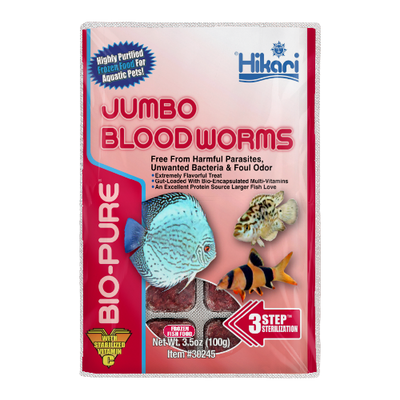
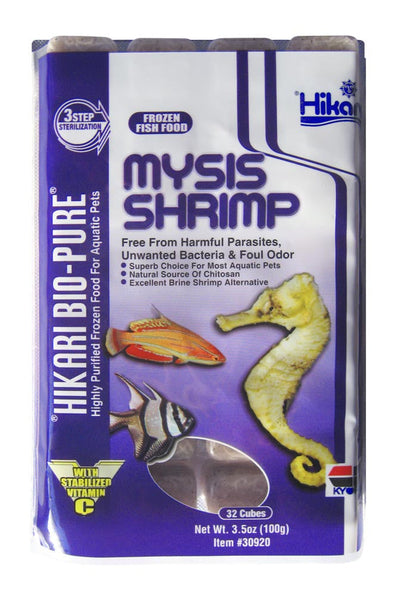
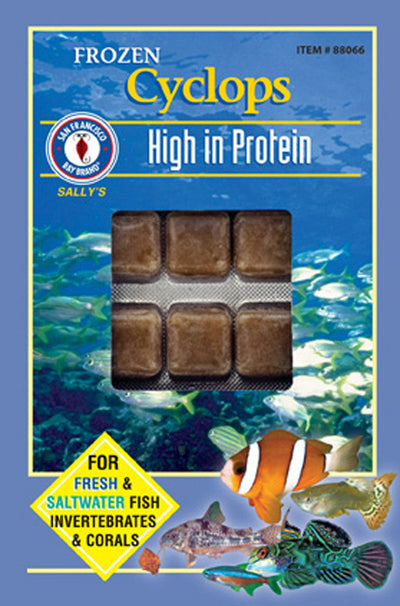
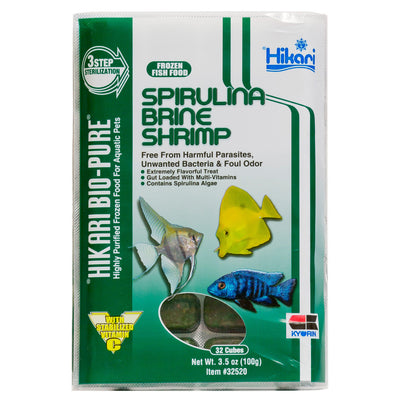
Frozen foods can be an excellent choice for marine fish because they offer variety and natural proteins. Thaw a measured portion in a small cup of aquarium water and avoid adding more than the tank can use. Some hobbyists rinse thawed food to reduce the nutrient-rich packing liquid. That can help in systems with persistently high phosphate, but it also removes fine particles and soluble nutrition. The right approach depends on your livestock and test results.
Variety is useful, especially in a community reef with herbivores, omnivores, and carnivores. Rotating quality frozen foods, pellets, flakes, and targeted coral foods can produce better fish health than relying on one oversized feeding. Pets Warehouse carries specialty frozen aquarium foods from established brands, with insulated shipping and an Arrives Frozen Guarantee for customers who need dependable access to these diets.
Improve Export Before Reaching for Additives
The most dependable nutrient control comes from export methods that fit the tank's actual bioload. Start with basic maintenance. Empty and clean the protein skimmer cup regularly, change mechanical filtration before trapped debris breaks down, and use a turkey baster or powerhead during water changes to lift detritus from rockwork and low-flow areas.
A properly sized protein skimmer removes dissolved organic compounds before they become nitrate and phosphate. It is not a complete solution, but it is one of the most consistent tools for a fish-heavy reef. Skimmer performance changes with water level, salinity, feeding, and adjustment, so evaluate the collection over several days rather than making constant daily tweaks.
Water changes remain valuable because they remove a portion of accumulated nutrients while replenishing trace elements. They work best as part of a routine, not as an occasional emergency correction. If nitrate or phosphate is very high, several moderate changes are safer than one massive change that shifts salinity, alkalinity, temperature, and nutrient levels all at once.
A refugium with macroalgae can provide steady biological export when it has appropriate flow, lighting, and regular harvesting. Harvesting is the key step. If macroalgae fills the chamber and is never removed, the nutrients stored in that growth are not leaving the system. Refugiums are especially helpful for hobbyists who prefer a gradual, low-intervention approach.
Choose Chemical Media Carefully
Phosphate-absorbing media can reduce elevated phosphate effectively, but it should be introduced cautiously. Running too much media or placing it in very strong flow can drop phosphate too quickly. Corals may pale, lose polyp extension, or show tissue stress when a tank moves abruptly from high nutrients to near-zero phosphate.
Use a smaller amount than the maximum recommendation when starting, then retest after several days. Replace or refresh media based on phosphate trends rather than a fixed calendar alone. If phosphate begins climbing soon after a fresh batch is installed, the media may be exhausted quickly because the system has a substantial reservoir in food, detritus, rock, or substrate.
Activated carbon serves a different role. It helps remove dissolved organics and water discoloration, but it is not a direct nitrate or phosphate solution. It can be useful alongside a broader maintenance plan, particularly after using medications, treating coral pests, or noticing yellowed water.
Use Bacterial Methods Only With a Plan
Carbon dosing and bacterial products can be effective forms of reef nutrient reduction, particularly in established tanks with persistent nitrate. These methods encourage bacteria to consume nutrients, after which the bacteria are removed by the skimmer or eaten within the system. They also demand close observation.
Begin with the smallest recommended dose, maintain strong oxygenation, and test often. Cloudy water, bacterial films, reduced oxygen, or a sharp nutrient drop are warnings to slow down. Carbon dosing can lower nitrate faster than phosphate, so it may not solve a phosphate-heavy tank by itself. It also may not be appropriate for a newer aquarium that is still finding biological balance.
Do not stack several aggressive methods at once. Starting a new phosphate remover, increasing refugium lighting, doubling skimmer output, reducing food, and beginning carbon dosing in the same week makes it impossible to identify what caused a problem. Change one major variable, allow time for the tank to respond, and keep notes.
Watch the Tank, Not Just the Test Kit
Numbers guide decisions, but livestock gives the final answer. A reef with modest measurable nutrients, good coral color, normal polyp extension, healthy fish appetites, and limited nuisance algae may not need major intervention. A tank with technically low readings but pale corals and dinoflagellates may be too nutrient-poor or otherwise out of balance.
These signs usually call for a slower, more careful response:
- Corals become noticeably lighter soon after nutrient-control changes.
- Nitrate or phosphate reaches zero and stays there.
- Fish compete intensely for food or lose body weight.
- Algae changes into brown dust, stringy mats, or other forms that do not improve with lower readings.
A Practical Reef Nutrient Reduction Plan
For most tanks, start by testing and logging results for one to two weeks while maintaining normal feeding. Next, remove detritus, clean mechanical filtration consistently, tune the skimmer, and correct any source-water issue. If nutrients remain elevated, add one export method suited to your system, such as a refugium, measured phosphate media, or a carefully managed bacterial approach.
Give each adjustment time. A reef aquarium is a living system, and the best results usually come from repeatable maintenance rather than dramatic corrections. Healthy fish, stable coral color, controlled algae, and consistent test trends are better markers of success than chasing a zero on a test kit.