

A fish that ignores dry food at feeding time but races to the front glass for frozen cubes is telling you something useful: food texture, scent, and species-specific nutrition matter. This Hikari frozen food review looks at what makes the line a dependable choice for freshwater and saltwater aquariums, where it performs best, and what to consider before adding it to a regular feeding routine.
Hikari is a familiar name to aquarists for good reason. Its frozen selection gives hobbyists practical options for community fish, cichlids, marine fish, invertebrates, fry, and picky eaters that need more variety than a single flake or pellet can provide. The right choice is not simply the richest food available. It is the one that matches your animals' natural feeding habits, size, and the needs of the aquarium.
What Stands Out in a Hikari Frozen Food Review
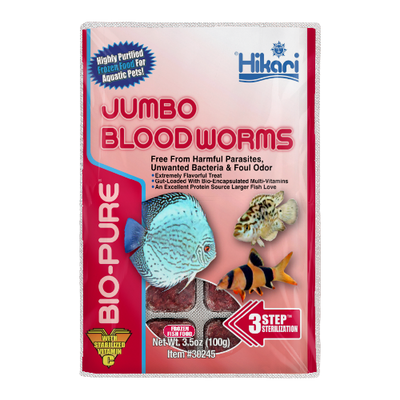
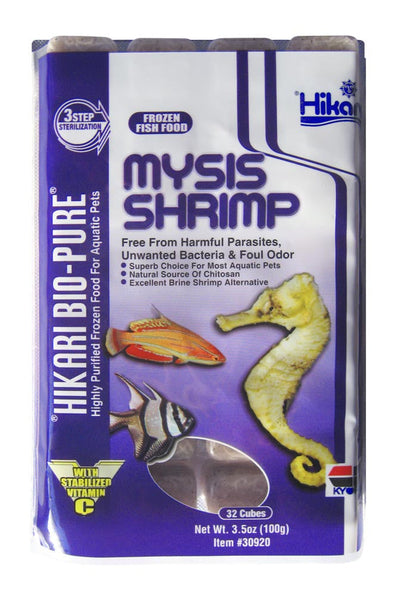
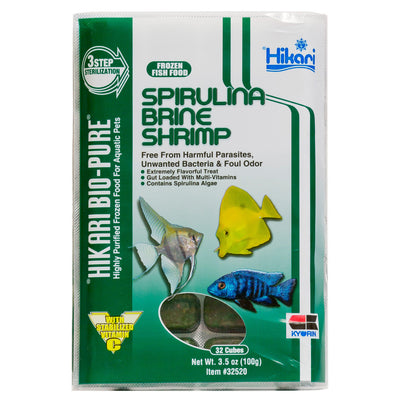
The strongest case for Hikari frozen food is variety with purpose. Rather than treating every frozen item as interchangeable, the line offers recognizable food organisms that allow keepers to build a more appropriate menu. Bloodworms are a popular choice for many freshwater fish. Brine shrimp works well for smaller fish and can be especially useful for encouraging feeding. Mysis shrimp, krill, plankton, daphnia, and spirulina-based options each fill different roles depending on the livestock in the tank.
Frozen food also retains a moist, natural texture that can make a real difference for fish accustomed to hunting or grazing on softer foods. Marine fish, carnivorous cichlids, discus, larger community fish, and difficult feeders often respond quickly to the smell and movement of food dispersing in water. That response can help a keeper confirm appetite, which is often one of the first indicators of a fish's overall condition.
Hikari's cube-style portions are another practical advantage. A cube makes it easier to feed a measured amount instead of breaking off an uncertain piece from a frozen slab. For a small aquarium, one whole cube may still be more than the tank needs, so portioning it before feeding is often the better approach.
Nutrition Depends on the Food Type
Not every Hikari frozen food should be used in the same way. Bloodworms are highly palatable, but they are best treated as a rotating food rather than the only item on the menu for most fish. Brine shrimp is useful for variety and smaller mouths, while spirulina brine shrimp can be a better fit for omnivores that benefit from plant-based content alongside protein.
Mysis shrimp is often favored for marine fish and larger freshwater species because it offers a more substantial bite. Krill and plankton can suit larger predators and marine communities, but they should be sized appropriately. A food that is too large can be ignored, torn apart inefficiently, or swallowed by one dominant fish before smaller tankmates get a chance.
The benefit comes from rotation. A quality pellet or flake can provide a reliable daily nutritional foundation, while frozen foods add appetite appeal and species-relevant variety. For fish with specialized diets, frozen items may take a much larger role. The correct balance depends on what lives in the aquarium.
Clean Feeding Still Matters
Frozen food has a reputation for being messy, but excessive waste usually comes down to overfeeding, not the fact that the food is frozen. Thawing a portion in a small cup of aquarium water lets you control the amount added and observe the food before it reaches the tank. It can also help distribute smaller foods more evenly.
Avoid adding more than your fish can consume promptly. Uneaten food can affect water quality, particularly in smaller tanks, heavily stocked aquariums, or systems with limited filtration capacity. If food regularly settles into the substrate or collects behind rockwork, reduce the serving size before changing foods.
Choosing Hikari Frozen Food by Fish Type
For a general freshwater community, brine shrimp, daphnia, and small bloodworm portions can add welcome variety. These choices are commonly accepted by tetras, rasboras, livebearers, gouramis, barbs, and many other community species. Daphnia can be particularly useful as part of a varied diet for fish that benefit from smaller prey items.
For discus, angelfish, larger cichlids, and predatory freshwater fish, bloodworms, brine shrimp, mysis, krill, and other larger offerings may be more appropriate depending on mouth size and feeding behavior. Rich foods can support strong feeding response, but regular variety is still preferable to relying on one favorite item.
Saltwater aquariums call for an equally specific approach. Mysis shrimp is a staple choice for many marine fish, while plankton and krill can suit larger species. Herbivorous and omnivorous marine fish should not be fed a purely meaty menu. A broader feeding plan that includes foods suited to their grazing needs is a better long-term fit.
For fry, nano fish, and small-mouthed fish, food size is the deciding factor. A large cube may contain suitable ingredients but still be impractical without careful thawing and portioning. Fine foods and newly hatched-sized options are generally easier for tiny fish to consume.
How to Feed Frozen Food Without Overfeeding
Start smaller than you think you need. A modest portion once or several times per week is enough for many established aquariums, especially when fish also receive prepared dry food. Observe how quickly the food is eaten, whether all species get access, and whether the aquarium stays clean afterward.
A simple routine is to remove the needed amount, thaw it in a separate container with a little aquarium water, then feed gradually. This gives slower fish time to eat and prevents a single rush of food from disappearing into the filter or settling where it cannot be reached.
There are exceptions. Breeding fish, growing juveniles, underweight fish, and demanding marine species may need more frequent frozen feedings. In those cases, increased feeding should be paired with close attention to ammonia, nitrite, nitrate, filtration performance, and regular maintenance. Better food cannot compensate for declining water conditions.
Hikari Frozen Food Review: The Shipping Factor
A frozen food review should include delivery, because product quality depends on the cold chain holding from the warehouse to your freezer. Frozen aquarium food should arrive frozen and be transferred to the freezer promptly. A partially thawed package that has warmed significantly is not something to ignore.
Pets Warehouse handles frozen orders with insulated packaging, dry ice, and Next Day Air service, shipping Monday through Wednesday to help protect food quality in transit. The Arrives Frozen Guarantee provides a clear safeguard: if an order does not arrive frozen, the issue can be made right. That operational detail matters just as much as choosing the right food type, especially for hobbyists who cannot reliably find specialty frozen options locally.
Plan your order around a day when someone can receive and unpack it. Once delivered, inspect the package and move the food directly into the freezer. Keeping frozen foods consistently stored helps preserve their quality until feeding time.
Is Hikari Frozen Food a Good Fit?
Hikari frozen food is a strong fit for aquarists who want reliable, recognizable food types and the flexibility to feed more closely to their fish's needs. It is especially useful for finicky eaters, community tanks that benefit from dietary rotation, carnivores needing substantial prey items, and marine systems where mysis and similar foods are regular staples.
The trade-off is that frozen food requires freezer space, portion control, and thoughtful feeding. It is not automatically better than every dry food, nor does every aquarium need frozen food every day. A well-run tank benefits most when the food choice supports the fish and the keeper can maintain clean water around the feeding schedule.
Choose the Hikari option that fits the animals already in your aquarium, feed only what they can finish, and keep a few complementary foods on hand. That approach gives your fish variety without turning feeding time into a water-quality problem.