

A freezer is becoming a more purposeful part of pet care. The biggest frozen pet food trends are not about novelty alone - they reflect pet owners and aquarium keepers looking for recognizable ingredients, species-appropriate nutrition, and food that arrives in dependable condition. For a raw-fed dog, a reef tank full of demanding fish, or a reptile with a specific feeding routine, frozen food can fill needs that dry or shelf-stable products do not always address.
Frozen nutrition is also a category where handling matters as much as selection. A thoughtfully made food is only useful when it remains frozen from fulfillment through delivery. That is why the most meaningful changes in this category combine better product choices with a stronger focus on cold-chain reliability.
Frozen Pet Food Trends Shaping What Owners Buy
Species-specific feeding is taking priority
One of the clearest shifts is away from one-size-fits-all feeding. Dog owners are comparing proteins, ingredient panels, portion formats, and life-stage needs. Aquarium hobbyists are selecting foods according to whether they keep freshwater community fish, marine fish, cichlids, discus, corals, or fry. Reptile and small-pet owners are also paying closer attention to the format, size, and nutritional role of frozen foods.
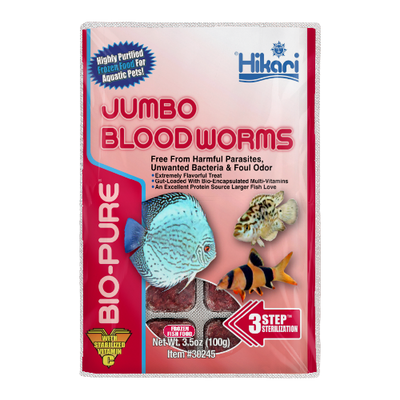
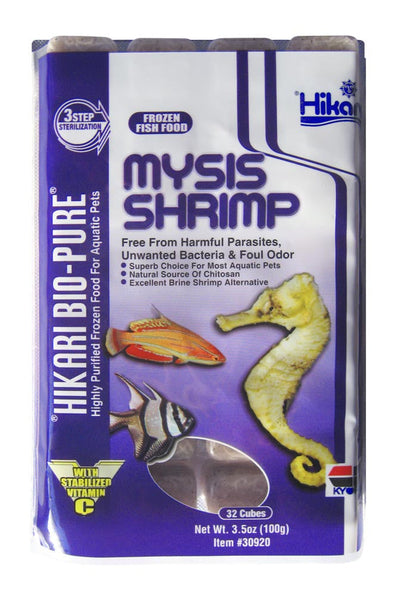
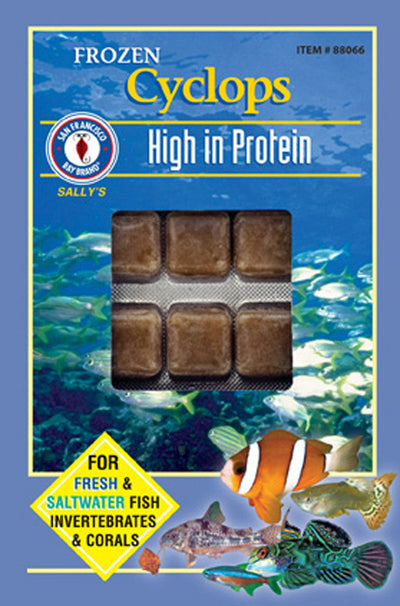
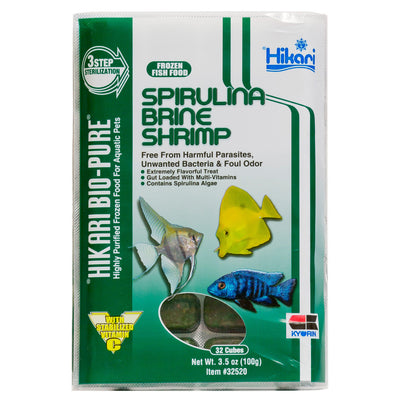
This is especially visible in frozen aquarium food. Brine shrimp, bloodworms, mysis shrimp, plankton, krill, and specialized blends each serve different feeding goals. Mysis, for example, is often chosen for larger marine fish and fish that benefit from a substantial, protein-rich food. Brine shrimp can be useful for variety and for encouraging feeding response, while finely sized foods can suit smaller fish and juvenile fish.
The practical takeaway is simple: buy for the animal, not just the category. A food popular with one species may not be the right daily choice for another. Variety can be useful, but it should support an intentional feeding plan rather than add unnecessary richness or waste.
Ingredient transparency is influencing frozen diets
Pet owners increasingly want to know what is in the package and why. That does not mean every shopper needs a complicated nutrition philosophy. It means labels, protein sources, and feeding directions are receiving more attention than they did a few years ago.
For frozen dog foods, demand continues around clearly identified animal proteins and complete-and-balanced formulas when the product is intended as a full diet. Some families use frozen raw or gently prepared foods as the primary diet; others use them as a topper or occasional rotation. Those approaches are not interchangeable. A topper can add interest to a bowl, but it should not displace a complete diet unless the overall feeding plan has been designed to do so.
In aquatic feeding, transparency often means knowing the organism in the cube or blister pack, its particle size, and whether it fits the fish being kept. Experienced hobbyists tend to look beyond a generic “frozen food” label because the nutritional value and feeding behavior of each option can be very different.
Convenient portions are no longer a minor feature
Frozen food has a reputation for being less convenient than kibble or flakes, but packaging has improved the day-to-day experience. Individual cubes, blister packs, small patties, and clearly portioned pouches help reduce guesswork and limit repeated exposure of the full package to room temperatures.
For aquarium keepers, portion control can also help protect water quality. Overfeeding frozen food can leave uneaten material in the tank, increasing waste and placing extra demand on filtration. Thawing only the amount needed and feeding in modest portions makes it easier to watch what livestock actually consumes.
For dog owners, pre-portioned frozen meals make it easier to keep routines consistent, particularly in multi-dog homes where body size and calorie needs differ. The right portion still depends on the individual pet's age, activity level, body condition, and veterinary guidance. Convenience is valuable, but it does not replace appropriate feeding amounts.
Rotation is replacing the single-product mindset
Many owners are building a measured rotation instead of relying on one flavor or one food type indefinitely. In aquariums, rotating compatible frozen foods can support feeding interest and offer different nutrient profiles. A marine aquarium may use a mix of mysis, plankton, enriched brine shrimp, and a quality prepared food, adjusted for its fish and invertebrates.
Dog owners may rotate proteins when it is appropriate for their pet and when the foods are nutritionally complete. The benefit is not that every pet needs constant change. Some animals do best on a stable diet, especially those with sensitive digestion or known food reactions. The better trend is purposeful variety, introduced gradually and monitored carefully.
This same discipline applies to treats. Frozen treats and meal additions can be useful, but they should remain a sensible part of total daily calories. A popular product is not automatically the right amount for every animal.
Why Frozen Food Delivery Is Part of the Purchase Decision
A frozen order is not handled like a box of toys or dry food. Customers are rightly paying closer attention to shipping days, insulation, dry ice, transit speed, and what happens if a package does not arrive in proper frozen condition.
Reliable fulfillment is particularly important for households that cannot easily find specialty frozen diets or aquarium foods locally. It gives dog owners access to more feeding options and helps fishkeepers maintain a dependable supply of foods that may be central to their feeding schedule. The broader the product selection, the more important it is that the cold chain is managed correctly.
Pets Warehouse ships frozen orders Monday through Wednesday using insulated packaging, dry ice, and Next Day Air service. Its Arrives Frozen Guarantee provides a clear standard: if an order does not arrive frozen, the team will make it right. That operational detail matters because it helps customers order specialized food with greater confidence rather than treating frozen delivery as a gamble.
Once the package arrives, bring it inside promptly and move products to the freezer. Do not leave frozen food on a porch, in a hot vehicle, or at room temperature while other errands are finished. If a product arrives frozen but with minor surface frost, that alone is not necessarily a quality concern. The key question is whether the food remained properly frozen. When in doubt about a shipment's condition, document it promptly and contact the retailer before feeding the product.
Choosing the Right Frozen Food for Your Routine
The best frozen food is one your animal can use safely, you can store correctly, and you can obtain consistently. Before ordering, consider freezer space, package size, how often you feed it, and whether you have a backup plan if weather or travel changes your routine.
For dog diets, confirm whether the food is formulated for complete daily feeding or supplemental use. Follow thawing and storage instructions carefully, use clean bowls and utensils, and wash hands after handling raw products. Households with young children, older adults, pregnant individuals, or immunocompromised family members may want to discuss raw-food handling and feeding choices with a veterinarian.
For aquarium food, match the food's size and nutritional role to the livestock. Thaw a small amount in tank water or a separate clean container when appropriate, then feed only what will be consumed promptly. Some hobbyists rinse certain frozen foods before feeding to reduce excess packing juices, while others use the liquid as part of the feeding. The better choice depends on the product, the aquarium's nutrient load, and the needs of the animals.
Brand matters, but fit matters more. Established names such as Hikari, San Francisco Bay Brand, PE Mysis, and Ocean Nutrition are well known because they offer familiar frozen formats and broad species relevance. Still, a careful look at the individual food, your animals, and your feeding goal should guide the final choice.
Frozen feeding is moving toward greater precision: better portions, more deliberate protein choices, and greater attention to the journey from freezer to front door. Start with the needs of the animals in your care, keep handling practices consistent, and choose a fulfillment partner that treats frozen delivery with the care the product requires.