
A frozen food order is only as good as the condition it arrives in. When you buy frozen fish food shipped nationwide, the goal is simple: receive the same properly frozen, nutrient-rich food you would choose from a well-stocked specialty aquarium store. That requires more than putting a package in a box. It requires a planned cold chain, dependable timing, and packaging designed for the trip.
For freshwater and saltwater aquariums, frozen foods can make a noticeable difference in feeding response, conditioning, growth, and coloration. Mysis shrimp, brine shrimp, bloodworms, krill, plankton, marine blends, and specialty formulas give fish and invertebrates feeding options that dry foods alone may not provide. The right choice depends on the species in your care, their size, their natural diet, and how heavily stocked your aquarium is.
Why Frozen Food Deserves Careful Shipping
Frozen aquarium food is perishable. It cannot sit in a standard shipping stream for several days and still be expected to arrive in proper condition. Warm temperatures, transit delays, and insufficient insulation can compromise a shipment before it reaches your door.
That is why frozen orders should travel in insulated packaging with dry ice and expedited service. At Pets Warehouse, frozen orders ship Monday through Wednesday by Next Day Air to support an Arrives Frozen Guarantee. Shipping earlier in the week helps avoid a package sitting in transit over a weekend, while insulation and dry ice help maintain the cold environment needed for the journey.
This approach matters whether you are ordering one dependable staple or building a larger food supply for multiple tanks. Aquarium keepers should not have to choose between local availability and the brands or formulas their fish actually need.
What to Look for When Buying Frozen Fish Food Shipped Nationwide
Before placing an order, start with the shipping method rather than the product photo. A retailer should clearly explain how frozen foods are packed, when they ship, and what happens if the order does not arrive frozen. Vague shipping language is not enough for a product that depends on temperature control.
Look for these practical details:
- Insulated packaging designed to slow heat transfer during transit
- Dry ice sized appropriately for the order and shipping route
- Expedited delivery, such as Next Day Air, rather than standard ground service or two day shipping
- A defined ship schedule that reduces the risk of weekend delays
- A clear frozen-arrival policy that tells you what support is available if there is a problem
Plan for Delivery Day
Once the package is on its way, make delivery day part of your feeding plan. Bring the box inside as soon as possible, especially during hot weather or when it is left in direct sun. Open it carefully, avoiding direct contact with dry ice, and move the food to your freezer right away.
Do not be alarmed if dry ice has mostly dissipated by delivery. What matters is the condition of the food. Packages should still be frozen solid or show clear evidence that they remained frozen through transit. If you have concerns about the arrival condition, document the package and contact customer service promptly.
Choosing the Right Frozen Food for Your Aquarium
Frozen food is not one category with one purpose. The best option depends on who is eating it. A community freshwater aquarium, a planted shrimp tank, a reef aquarium, and a predator tank all have different nutritional needs and feeding behaviors.
Freshwater Community Fish
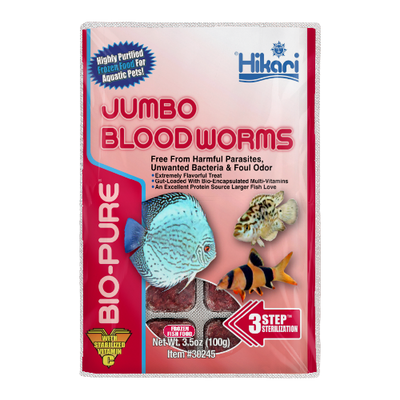
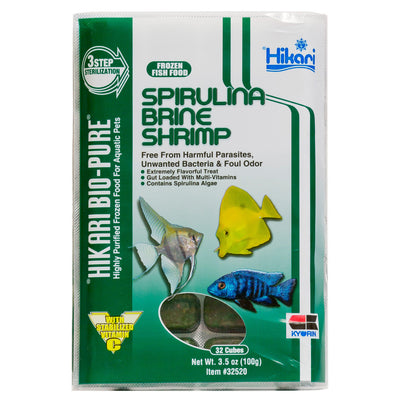
Brine shrimp, bloodworms, daphnia, tubifex, and mixed freshwater formulas are popular choices for community fish. These foods can encourage feeding in tetras, barbs, rasboras, cichlids, livebearers, gouramis, and many other species. Bloodworms are often enthusiastically accepted, but they are best used as part of a varied diet rather than the only food on the menu.
For smaller fish, portion size matters. Thaw only what your fish can consume in a few minutes, and avoid adding excess liquid to the aquarium. Overfeeding can affect water quality quickly, particularly in smaller tanks.
Marine Fish and Reef Aquariums
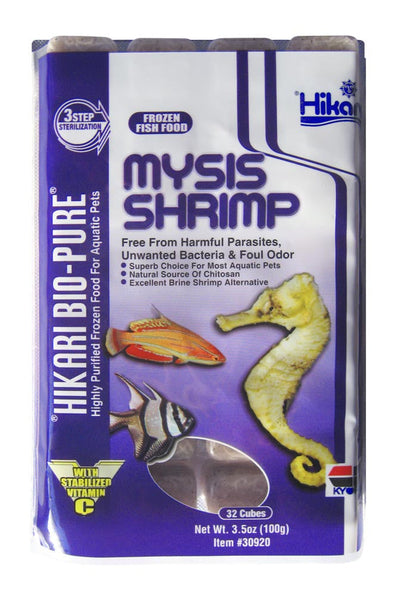
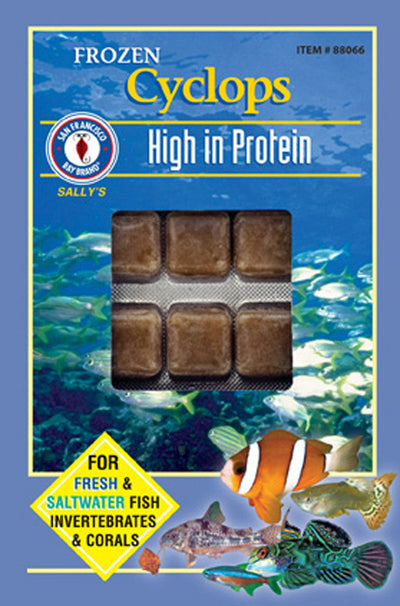
Saltwater fish often benefit from marine-based foods such as mysis shrimp, krill, copepods, plankton, clam blends, and herbivore formulas. PE Mysis, Ocean Nutrition, Hikari, and San Francisco Bay Brand offer well-known options for a range of marine and freshwater feeding needs.
Mysis shrimp is a longtime favorite for marine fish because it is substantial, widely accepted, and useful for many carnivorous and omnivorous species. Herbivores still need appropriate plant-based nutrition, however. Tangs, rabbitfish, and other grazing species should not be fed a seafood-heavy diet alone. Variety supports better long-term conditioning.
For reef keepers, fine-particle foods and plankton-based formulas can also support filter feeders and corals. Feed conservatively and watch nutrient levels. A food that produces excellent feeding behavior can still create problems if the aquarium filtration and maintenance routine cannot keep up.
Picky Eaters and New Additions
Frozen food is often useful when a new fish refuses flakes or pellets. Its scent, texture, and movement in the water can trigger a stronger feeding response. Brine shrimp and mysis are common starting points, but a fish that will only take one item should gradually be introduced to a broader diet once it is settled.
If a fish is not eating, food choice is only one part of the picture. Check water parameters, compatibility, stress from transport, disease symptoms, and aggression at feeding time. Even the highest-quality frozen food cannot solve an underlying husbandry problem.
How Much Frozen Food Should You Order?
Ordering enough food to make shipping worthwhile is sensible, but freezer space and feeding frequency should guide the final quantity. A single small aquarium may only need a modest supply, while a fish room, breeding setup, reef system, or multi-tank household can use a larger order efficiently.
Think about how often you feed frozen foods and how many portions each feeding requires. If frozen food is a supplement to pellets, flakes, wafers, and algae foods, a variety pack may be more useful than a large quantity of one formula. If you keep species with specialized diets, stocking a reliable staple in larger quantities may make more sense.
Keep packages sealed until needed and store them at a stable freezer temperature. Avoid repeated thawing and refreezing. For daily use, break or thaw only the portion you intend to feed, then return the remaining food to the freezer immediately.
Thawing and Feeding Without Clouding the Tank
A small cup of aquarium water is usually all you need to thaw a portion. Once thawed, pour off excess packing liquid if appropriate and feed slowly. This lets you see what the fish are actually consuming instead of releasing a full portion at once.
Some foods can be rinsed gently before feeding, particularly if you are managing nutrients in a reef aquarium. Whether rinsing is worthwhile depends on the food, the animals being fed, and your water-quality goals. Many hobbyists prefer to retain the juices for certain foods, while others remove them to limit unnecessary organics. There is no single rule for every tank.
Observe the results over time. Healthy feeding behavior, steady body condition, normal waste, and stable water parameters are better indicators than a fish simply rushing to the glass at feeding time.
Confidence Matters as Much as Food Selection
The benefit of ordering frozen aquarium food online is access to the brands, sizes, and formulas that may not be consistently available nearby. The trade-off is that fulfillment has to be done correctly. Insulation, dry ice, expedited delivery, and a clear arrival guarantee turn that trade-off into a dependable option for aquarists across the country.
Choose foods that fit your animals, schedule delivery for a day you can receive the package, and keep a little freezer space ready. With careful shipping and thoughtful feeding, frozen food can remain a reliable part of a healthy aquarium routine.