

A successful aquarium feeding routine is not measured by how eagerly fish rush to the glass. It is measured by steady energy, healthy body condition, clear water, and food that is finished before it becomes waste. This freshwater fish feeding guide helps you match food type, portion size, and feeding frequency to the fish actually living in your tank.
The right routine is rarely “feed more.” In most home aquariums, overfeeding is a faster route to cloudy water, excess algae, and stressed fish than underfeeding. Give your fish a varied diet in sensible portions, then let their behavior and your water-quality results guide small adjustments.
Start With the Fish You Keep
“Freshwater fish” covers a wide range of eaters. A community aquarium with tetras, corydoras, and a betta should not be fed exactly like a tank of African cichlids, goldfish, or plecos. Before selecting food, identify whether each species is primarily a carnivore, herbivore, omnivore, surface feeder, midwater feeder, or bottom feeder.
Most community fish do well with a high-quality staple food formulated for tropical freshwater species. Flakes are useful for small surface and midwater fish, while pellets often deliver a more consistent portion for larger fish. Slow-sinking granules are especially useful in mixed community tanks because they give fish feeding at different levels a chance to eat.
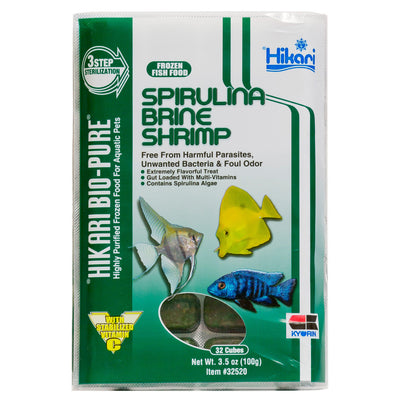
Herbivorous and grazing fish need more plant matter than a standard protein-heavy diet provides. Many plecos, livebearers, and African cichlids benefit from spirulina-based foods, algae wafers, and occasional vegetables prepared safely for aquarium use. Carnivorous species, including many bettas and predatory cichlids, generally need more animal-based protein from quality pellets and carefully selected frozen foods.
Bottom dwellers deserve deliberate feeding, not whatever falls from above. Corydoras, loaches, and many catfish need sinking wafers, pellets, or frozen foods that reach the substrate. A tank may look well fed at the surface while its bottom-feeding fish are receiving very little.
How Much Food Should Freshwater Fish Eat?
A practical starting point is to offer only what your fish can consume in about two to three minutes. For sinking foods, check the bottom after several minutes. If wafers or pellets remain untouched long after feeding time, reduce the next serving or remove the excess.
That rule is useful, but it is not absolute. Slow eaters, nocturnal species, and fish that graze throughout the day may need a different approach. An algae wafer intended for a pleco, for example, may remain available longer by design. The key is knowing whether the food is being eaten overnight, rather than letting it break down unnoticed.
Portion size should reflect the fish’s body size, age, water temperature, and activity level. Young, growing fish typically need more frequent feeding than mature adults. Active warm-water fish digest food faster than fish in cooler water. Goldfish and many cold-water species are a special case because their appetite can rise and fall with temperature.
Look at body condition instead of relying only on appetite. A healthy fish should have a natural body shape for its species, not a pinched belly or a swollen appearance. If fish are gaining too much weight, leaving food behind, or producing excessive waste, scale back. If peaceful fish are being outcompeted at every meal, change food format or add a targeted feeding time.
A Dependable Freshwater Fish Feeding Schedule
For most established tropical community tanks, feeding once or twice daily works well. A modest morning meal and a second small meal later in the day can prevent frantic feeding without adding unnecessary waste. If your schedule only allows one feeding, a properly portioned daily meal is generally better than inconsistent heavy feedings.
Fry and juvenile fish often require several very small meals each day because they are growing quickly and have limited stomach capacity. Their diet should be appropriately sized, such as finely crushed flakes, micro pellets, or specialty fry foods. High feeding frequency also means closer attention to filtration, water testing, and cleanup.
Adult fish can usually handle an occasional missed meal. In fact, many aquarists build in one no-food day per week for healthy adult community fish. This can help prevent overfeeding, though it is not appropriate for every setup. Very young fish, underweight fish, or species with specialized nutritional needs may need a more consistent schedule.
Feed around the same times when possible. Fish learn routines quickly, and predictable feeding makes it easier to notice a loss of appetite. A fish that normally eats eagerly but suddenly refuses food may be reacting to poor water conditions, stress, illness, or aggression from tankmates.
Feed for the Entire Community
In a mixed aquarium, use more than one food form when necessary. Add a small amount of floating or slow-sinking food for tetras and rasboras, then offer sinking pellets or wafers after the lights dim for bottom dwellers. This reduces competition and helps prevent one fast species from taking every bite.
For heavily stocked community tanks, feeding in two separate areas can also help. Spread the food out rather than dropping one large portion in the same spot. Fish are less likely to crowd, and quieter individuals have a better chance to eat.
Build Variety Without Overcomplicating It
A good staple food should make up most of the diet, but variety supports stronger feeding response and broader nutrition. Rotate between quality flakes, pellets, granules, algae-based foods, and frozen options suited to your fish. Variety is particularly valuable for picky eaters, conditioning breeding fish, and bringing out natural color and activity.
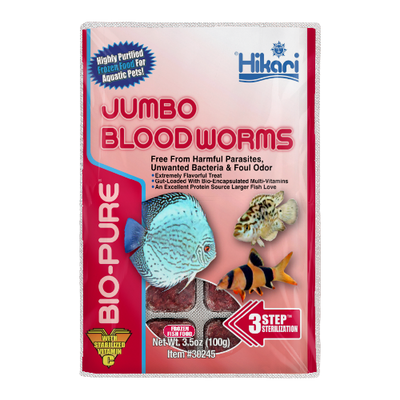
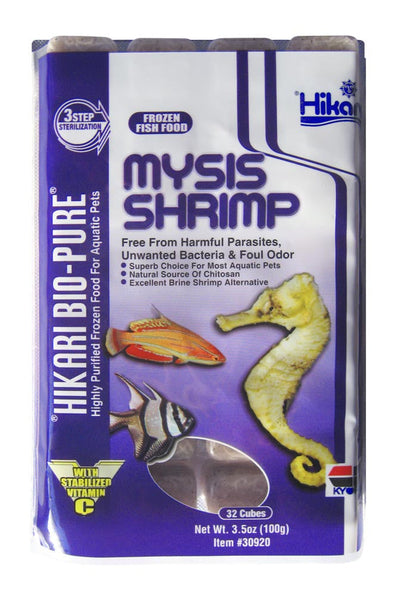
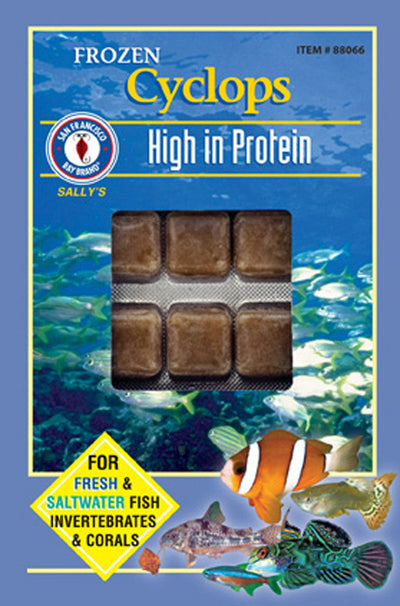
Frozen fish food is a practical choice for many freshwater species because it provides recognizable ingredients in portions that are easy to store and serve. Bloodworms, brine shrimp, daphnia, mysis, and specialty blends can be useful additions, depending on the fish. For example, daphnia is often favored for smaller fish and can be a helpful lower-fat option, while protein-rich foods should be fed more sparingly to species prone to digestive issues.
Thaw frozen food in a small cup of aquarium water or treated water before feeding. Do not drop a solid frozen cube directly into the tank, and do not refreeze food after it has thawed. Offer only the amount your fish will eat, then discard leftovers rather than pouring uneaten thawed food back into the package.
Dry foods also need proper storage. Keep containers sealed, dry, and out of direct heat and sunlight. Buy a container size you can use within a reasonable period after opening. Fresh food generally retains better aroma, nutrition, and feeding appeal than a large container that sits open for months.
Protect Water Quality at Every Meal
Food that is not eaten becomes part of the tank’s waste load. As it breaks down, it can contribute to ammonia and nitrite problems, increase nitrate over time, and fuel algae. Even a strong filter cannot compensate for chronic overfeeding.
If your water turns cloudy after feeding, your filter clogs unusually fast, or you regularly find food trapped behind décor, treat that as a feeding issue first. Reduce portions, select a better-sized pellet, and use a turkey baster or feeding tool to place food where slower fish can reach it. Routine water tests will tell you whether the feeding schedule is supporting stable conditions.
Watch for feeding behavior during maintenance. Fish that suddenly hide, spit out food, gasp at the surface, or stop eating should not simply be offered more food. Test the water, check temperature and equipment, and look for signs of disease or bullying. Appetite is one of the clearest day-to-day indicators of aquarium health.
Common Feeding Mistakes to Avoid
The most common mistake is treating fish as if they need a large meal every time they approach the front glass. Fish often associate people with food, but that behavior does not always mean they need another serving.
Another mistake is using one food for every fish in the aquarium. A general tropical flake may be fine as a base, yet it may not meet the needs of herbivores, bottom dwellers, fry, or species that prefer larger, protein-forward foods. Finally, avoid using food to solve a problem caused by poor water conditions. Better nutrition helps healthy fish thrive, but clean, stable water remains the foundation.
A reliable feeding routine is simple: choose species-appropriate foods, feed modestly and consistently, and adjust based on what happens in the tank. When you need dependable access to dry, frozen, and species-specific aquarium foods, Pets Warehouse brings more than 50 years of pet-care experience to helping hobbyists keep that routine on track.