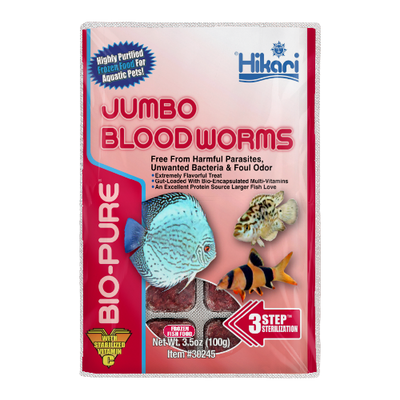
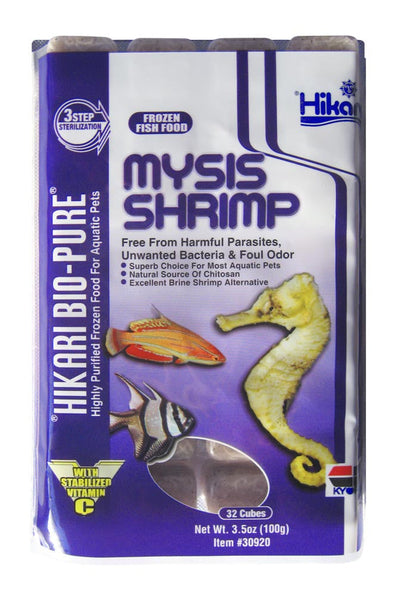
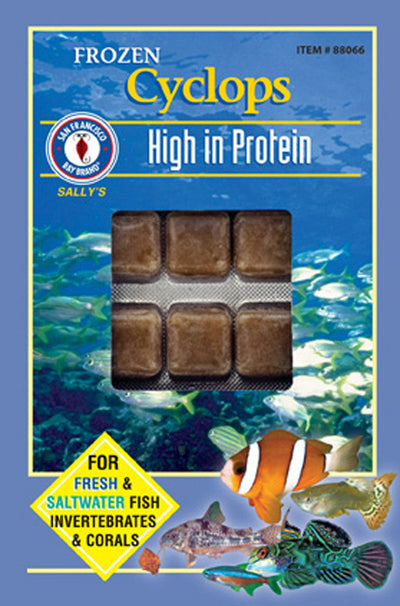
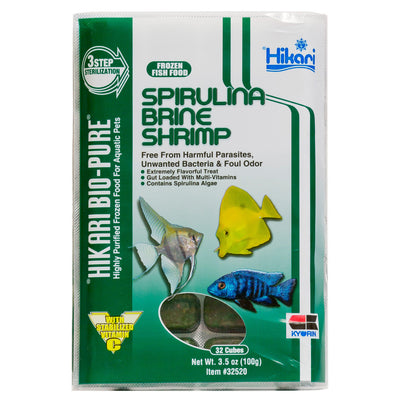


A frozen-food shipment can arrive with little or no visible dry ice and still contain products that are solidly frozen. That distinction matters when evaluating dry ice duration. Dry ice is the cooling source, not the condition you are purchasing. For frozen pet food and frozen aquarium food, the priority is that your items arrive frozen and protected through the delivery journey.
At Pets Warehouse, frozen orders are packed in insulated shipping materials with dry ice and sent by Next Day Air on scheduled shipping days. Understanding what affects dry ice inside the carton can help you receive, unpack, and assess your order with confidence.
What Dry Ice Duration Actually Means
Dry ice is solid carbon dioxide. Rather than melting into a puddle like regular ice, it changes directly into carbon dioxide gas through a process called sublimation. As it sublimates, the amount of dry ice in a shipping carton steadily decreases.
Dry ice duration describes how long that dry ice remains active enough to support a cold shipping environment. It does not mean every shipment should contain the same amount of dry ice at delivery. A carton can be packed properly, remain cold enough for the trip, and arrive with only a small piece of dry ice left - or none that you can see.
The better question upon arrival is simple: Are the frozen products still fully frozen? For items such as frozen raw dog food, frozen fish food cubes, mysis shrimp, brine shrimp, and other specialty foods, product condition is more meaningful than the remaining dry ice quantity.
What Affects Dry Ice Duration in Shipping?
No two shipments experience exactly the same conditions. The amount of dry ice required and how long it lasts depend on the order, packaging, destination, weather, and carrier handling time.
Insulation and box size
Insulated liners slow the transfer of outside heat into the carton. A properly sized shipping box with effective insulation gives dry ice less work to do. Empty space inside a carton can also affect performance, which is why frozen orders are packed to protect the food rather than treated like ordinary shelf-stable merchandise.
A larger order may hold cold temperatures well because frozen products add thermal mass. At the same time, it may require more dry ice because there is more product and more package volume to protect. The right packing approach depends on the full shipment, not just the number of items ordered.
Transit time and carrier movement
Dry ice is intended to support a defined transit window. Overnight service reduces the time frozen products are exposed to changing conditions at sorting facilities, in delivery vehicles, and at the destination. A package that sits over a weekend, moves through an unexpected delay, or is delivered later in the day will naturally use more of its dry ice reserve.
This is why frozen shipping schedules matter. Sending orders early in the week helps avoid holding a frozen package in transit over non-delivery days. It is a practical safeguard for frozen nutrition, especially for temperature-sensitive foods.
Outdoor temperatures
Summer heat can speed up sublimation, particularly when a package is handled in warm loading areas or rides in a delivery vehicle during the hottest part of the day. Winter conditions can help preserve cold temperatures, but they do not eliminate the need for correct insulation and dry ice.
Destination conditions matter too. A carton delivered to a shaded porch may stay protected longer than one left in direct sun. If someone will not be home, choose a delivery location that is secure, shaded, and accessible as soon as the package arrives.
The time between delivery and unpacking
The shipping clock does not stop at your door. Dry ice continues to sublimate after delivery, and frozen foods begin losing protection when a carton is left outside or unopened in a warm area. Prompt pickup and unpacking are among the easiest ways to protect your order.
If delivery notifications are available through your carrier, use them. For orders going to apartments, offices, or shared buildings, make sure the recipient knows a frozen shipment is expected and can retrieve it without delay.
How to Check a Frozen Food Order When It Arrives
Bring the carton inside promptly and open it in a well-ventilated area. Carbon dioxide gas can accumulate in small, enclosed spaces, so avoid opening dry-ice packages in a tightly closed vehicle, closet, or other confined area.
Wear insulated gloves or use tongs if you need to handle dry ice directly. Never touch it with bare skin. Dry ice is extremely cold and can cause an injury similar to a burn. Keep it away from children and pets, and do not place it in a sealed container.
Start by checking the food itself. Frozen fish food should remain hard or firmly frozen in its packaging. Frozen dog food patties, sliders, or chubs should also be solidly frozen. Frost on packaging, cold cartons, and small remnants of dry ice are normal signs of a shipment that has stayed cold, but the food's actual frozen condition remains the key checkpoint.
Move acceptable items into your freezer immediately. For aquarium foods, return cubes, blister packs, or flat packs to the freezer before organizing other shipment contents. For frozen pet diets, follow the storage instructions on the product label and keep foods separated as appropriate for your household's food-handling practices.
When No Dry Ice Is Left in the Box
An empty dry ice compartment does not automatically mean there is a problem. Dry ice may completely sublimate before delivery, especially during warm weather or after a long delivery day. If the food remains frozen, the shipment has done its job.
Do not judge the order solely by whether you see white vapor or a remaining block of dry ice. Those are temporary signs of the cooling material, not a reliable pass-or-fail test for food quality. Focus on whether the products are still frozen when you open the box.
If products are partially softened but still cold, avoid making assumptions. The correct next step can vary by food type and manufacturer guidance. Raw diets, prepared frozen foods, and frozen aquarium foods may have different handling expectations. Keep the products cold, document their condition, and contact customer support for direction rather than refreezing items that have fully thawed.
What to Do If Frozen Products Arrive Thawed
If your frozen order does not arrive frozen, take clear photos of the outer carton, insulation, product packaging, and the condition of the food as soon as you open it. Include any shipping label details that identify the order. Prompt documentation makes it easier for customer support to review what happened and make it right under the frozen-arrival guarantee.
Do not feed food that has fully thawed and warmed or that appears damaged, leaking, or compromised. Keep the packaging available until you receive instructions. For aquarium keepers, this is especially useful when an order includes multiple foods with different packaging formats, such as blister packs, cubes, and flat packs.
A fast report is helpful because frozen shipping issues are time-sensitive. It gives the retailer the clearest picture of the package condition and helps protect your pet's nutrition plan or aquarium feeding routine.
Safe Disposal of Remaining Dry Ice
If dry ice remains after unpacking, leave it in a well-ventilated location that is out of reach of pets and children, where it can sublimate naturally. Do not put it in a sink, toilet, garbage disposal, or sealed trash container. Do not store it in a freezer or refrigerator, and never seal it in a jar, cooler, or other airtight container because pressure can build as the gas is released.
A responsible frozen shipment is designed around more than a visible block of dry ice. Receive it promptly, assess the food itself, store it right away, and contact support quickly if its frozen condition is in question. That is the most dependable way to keep specialty frozen food ready for the pets and aquatic animals that rely on it.