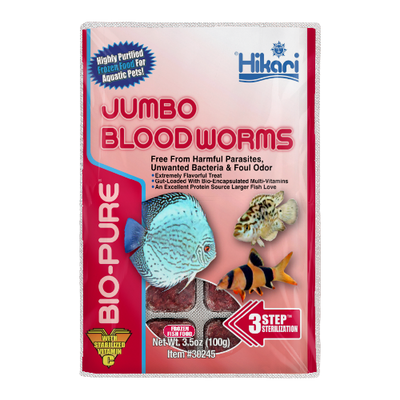


A cube of bloodworms can turn a quiet aquarium into feeding time in seconds. That response is useful, but it can also tempt fishkeepers to offer this rich food too often. A sound bloodworm feeding schedule gives fish the variety they need while protecting water quality, digestion, and the long-term balance of the tank.
For most home aquariums, bloodworms work best as a planned supplement rather than the everyday main course. The right frequency depends on the fish, their age, the rest of their diet, tank temperature, and how quickly the aquarium processes waste. Start conservatively, watch the fish and the water, then adjust with a reason.
Why Bloodworms Need a Schedule
Bloodworms are the aquatic larvae of non-biting midges. Frozen bloodworms are highly appealing to many freshwater fish because of their movement-like texture, rich flavor, and dense nutrition. They can encourage a finicky fish to eat, support conditioning before breeding, and add welcome variety to dry food diets.
They are not a complete diet for most species. Bloodworms are relatively rich and do not provide every vitamin, plant-based nutrient, marine ingredient, or mineral that omnivores and herbivores need. Feeding them every day can leave fish eating enthusiastically while still receiving an unbalanced menu. Extra portions can also mean uneaten food in the gravel, a rising organic load, and avoidable nitrate or ammonia concerns.
Treat bloodworms like a premium meal. Their value comes from using them at the right time and in the right amount, not from making them the only food your fish recognize.
A Practical Bloodworm Feeding Schedule
For a typical community aquarium with healthy adult fish, offer bloodworms one or two times per week. On the other days, use a quality species-appropriate staple food, such as flakes, pellets, granules, wafers, algae-based foods, or other frozen foods. Variety matters more than a rigid calendar.
Community Fish: One to Two Feedings Weekly
Tetras, rasboras, barbs, guppies, mollies, platies, gouramis, and many peaceful community fish generally do well with one or two bloodworm meals per week. Feed only what the group can finish within roughly two to three minutes. Small fish may need a fraction of a cube, not an entire cube.
If the aquarium holds bottom feeders, remember that bloodworms often drift or settle quickly. Feed a modest amount so corydoras, loaches, and other lower-level fish get a share without leaving a heavy layer of food behind. A turkey baster or feeding pipette can place thawed bloodworms where they are needed.
Bettas and Other Carnivorous Fish: Two to Three Feedings Weekly
Bettas, dwarf cichlids, juvenile angelfish, and other insect-eating fish often respond especially well to bloodworms. Two or three small meals per week can fit nicely into their diet, provided the remaining meals include a complete carnivore or omnivore formula.
Portion control is particularly important for bettas. A bloated abdomen, long stringy waste, reduced activity, or a fish that ignores its next meal can mean the portion was too large or the food is being offered too frequently. One small feeding is better than repeatedly adding more because the fish appears eager.
Discus, Cichlids, and Growing Juveniles: Use More Variety, Not Just More Bloodworms
Fast-growing juveniles and larger cichlids may receive several feedings a day, but that does not automatically make bloodworms an everyday food. Use them as one part of a broader rotation that can include quality pellets, granules, mysis, brine shrimp, and other foods matched to the species.
For conditioning adult fish before breeding, some experienced keepers increase bloodworm meals temporarily. This can be effective when water changes, filtration, and a complete diet are already consistent. It is not a shortcut for poor water quality or inadequate staple nutrition.
Marine Fish: Usually an Occasional Treat
Many saltwater fish will accept bloodworms, but most marine species benefit more from marine-specific foods such as mysis shrimp, enriched brine shrimp, finely chopped seafood formulas, algae preparations, and high-quality marine pellets. Bloodworms can be an occasional appetite stimulant or treat, often once a week or less, rather than a core marine feeding plan.
Avoid assuming that a food accepted eagerly is automatically the best nutritional fit. A marine fish that eats bloodworms may still need foods that better reflect its natural diet.
How Much Bloodworm to Feed
The best portion is the amount your fish finish promptly with little to no food reaching the substrate. Frozen cubes are convenient, but cube size is not a serving-size recommendation. One cube may be appropriate for a stocked medium aquarium and far too much for a small tank with a single betta.
Thaw only the amount you plan to use. Place the frozen portion in a small cup of aquarium water, allow it to thaw, and pour off excess packing liquid before feeding. Then offer a little at a time. This approach gives you control and helps keep unnecessary nutrients out of the aquarium.
Do not refreeze a portion that has been thawed. If you regularly need only a small amount, break or shave off a piece of the frozen food while it is still frozen, then immediately return the unused portion to the freezer. Handle frozen foods cleanly and keep them frozen until feeding time.
Let Your Tank Set the Final Schedule
No schedule should override what you see in the aquarium. Fish should remain active, maintain a normal body shape, and show interest in their regular foods. The aquarium should stay clear, with stable testing results and no accumulating debris after meals.
Reduce bloodworm frequency or portions if you notice cloudy water after feeding, leftover food, increased algae driven by excess nutrients, fish becoming round through the belly, or waste that looks unusually heavy. In a newly established aquarium, feed even more cautiously. Young biological filtration can be overwhelmed by a rich frozen meal that an established tank handles easily.
You may be able to increase frequency modestly when fish are underweight, actively growing, being conditioned for breeding, or recovering their appetite after a non-medical stress event. Make one adjustment at a time and monitor the result for at least several days. If a fish has ongoing appetite loss, swelling, rapid breathing, abnormal waste, or other signs of illness, feeding changes alone are not a substitute for diagnosing the underlying problem.
Build Bloodworms Into a Better Food Rotation
A dependable routine might use a complete dry staple most days, a frozen food such as bloodworms once or twice weekly, and other foods selected for the fish's natural feeding style. Herbivores need meaningful vegetable matter. Predatory fish need appropriate animal proteins. Bottom feeders may need sinking foods even when the rest of the tank receives frozen food near the surface.
This rotation also prevents one common problem: fish becoming so accustomed to a favorite treat that they reject their regular diet. Bloodworms should make the menu more useful, not make every other food seem disappointing.
When ordering frozen fish food, keep storage and delivery in mind. Frozen products should arrive solidly frozen, go directly into the freezer, and stay protected from temperature swings. Pets Warehouse ships frozen orders Monday through Wednesday by Next Day Air in insulated packaging with dry ice, backed by an Arrives Frozen Guarantee.
A measured bloodworm routine gives your fish something they look forward to without turning a treat into a water-quality problem. Feed for the needs of the fish in front of you, keep the portions small, and let consistent observation guide the next meal.