

A discus that eagerly approaches the front glass but picks at its food is telling you something. Appetite, body shape, waste, color, and water clarity all help show whether the current diet is working. The best discus food brands give keepers dependable options across pellets, granules, flakes, frozen foods, and specialty blends, but the right choice depends on the fish's size, life stage, water temperature, and feeding routine.
Discus are not a one-food fish. A quality staple diet creates consistency, while carefully selected frozen foods add variety and can be especially useful for conditioning adults, supporting young fish, or tempting a reluctant eater. The goal is not to chase the most expensive package. It is to build a feeding plan your fish can digest well and your aquarium can handle.
How to Compare Discus Food Brands
Start with the format, not just the label. Discus tend to feed in the middle and lower portions of the water column, so slowly sinking granules and soft pellets are often more practical than foods that remain on the surface. A food can have an excellent ingredient list, yet still be a poor daily fit if it is ignored, breaks apart immediately, or creates excessive waste.
Look for a named aquatic protein source near the top of the ingredient panel. Fish meal, krill, shrimp, squid, blackworms, and other marine or freshwater animal proteins can support the high-protein needs of discus. Plant ingredients have a place in a complete formula, particularly as binders and digestible carbohydrates, but a staple food should not rely heavily on low-value fillers.
The most useful brands also make their feeding purpose clear. Some formulas are designed as complete daily nutrition. Others focus on color enhancement, growth, conditioning, or feeding finicky fish. Those are meaningful differences. A color formula may be a good part of a rotation, for example, but it should not automatically replace a balanced staple at every meal.
Water quality belongs in the comparison, too. Discus often live in warm, well-maintained aquariums where uneaten food can deteriorate quickly. Foods that are accepted readily and hold together until eaten are usually a better value than a lower-priced option that leaves a cloud of particles behind. Feed performance matters as much as the price per container.
Pellets and granules for dependable daily feeding
For many established discus tanks, a high-quality sinking granule or small pellet is the easiest foundation. It is portionable, stores conveniently, and helps keep daily feeding consistent. Brands such as Hikari and Sera are widely recognized by freshwater keepers for formulated fish foods, including options suited to discus and other demanding cichlids.
Pellet size matters. Juveniles and smaller adult discus may do better with fine granules or mini pellets, while larger adults can manage a more substantial bite. If fish take food in and repeatedly spit it out, the issue may be texture or particle size rather than flavor. Soaking dry foods briefly in aquarium water can soften them, but do not let food sit long enough to lose its structure.
Dry food is especially practical when several people in a household share feeding duties. It allows measured portions and reduces the temptation to overfeed. For a mature community tank, one or two modest dry-food meals each day may be enough, with frozen food offered as a planned supplement.
Frozen foods for variety and conditioning
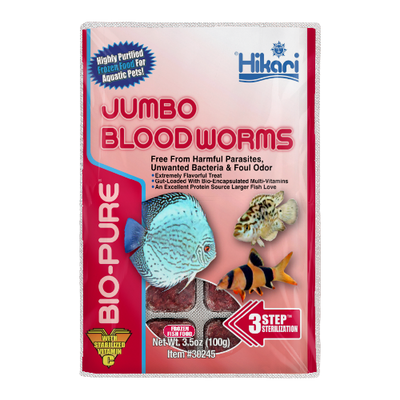
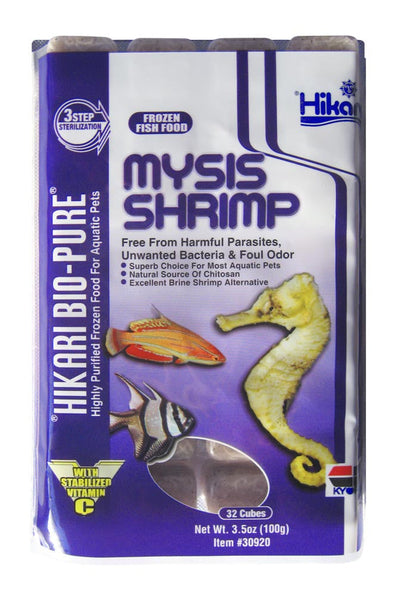
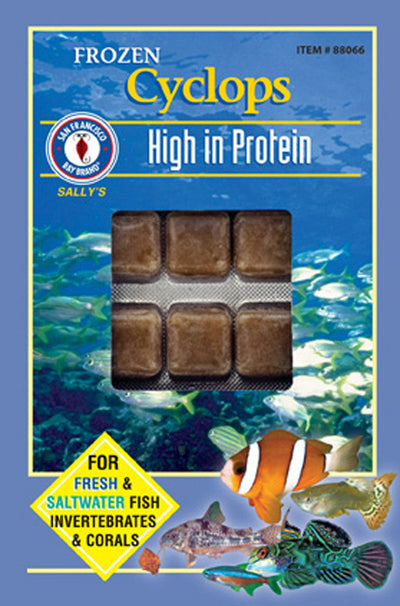
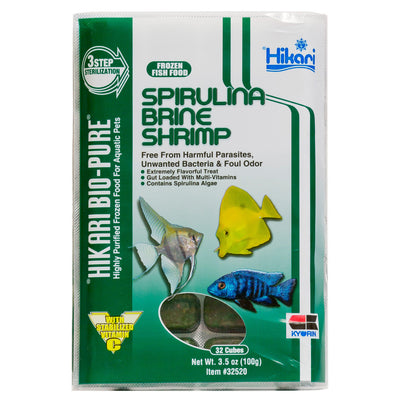
Frozen food can make a visible difference for discus that need variety, are settling into a new aquarium, or have become selective at feeding time. Brine shrimp, bloodworms, mysis shrimp, krill, plankton, and discus-specific blends each serve different purposes. A varied frozen rotation can encourage feeding response and deliver textures that prepared foods do not always provide.
Hikari, San Francisco Bay Brand, PE Mysis, and Ocean Nutrition are familiar names for frozen aquarium foods. Availability varies by product and season, so choose the specific food based on its ingredients, particle size, and suitability for your fish rather than buying a brand name alone.
Bloodworms are highly appealing to many discus, but they are best treated as part of a varied diet rather than the entire menu. Mysis and other crustacean-based foods can provide useful protein and may be better suited to regular rotation. Brine shrimp is often helpful for smaller fish, though its nutritional value varies with the product and should be considered alongside the rest of the feeding plan.
Thaw frozen food in a small cup of aquarium water or clean dechlorinated water before feeding. Pour off excess packing liquid when appropriate, then feed only what the fish can finish promptly. This simple step gives you better portion control and helps keep nutrient-rich liquid from entering the aquarium unnecessarily.
Choosing Food for Juvenile and Adult Discus
Growing discus have different demands from fully developed adults. Juveniles need frequent, protein-rich meals to support growth, and their tanks require equally serious maintenance. Several small meals can work well when the aquarium is sized, filtered, and maintained for that feeding level. If water changes and waste removal cannot keep pace, fewer meals with careful portions are the safer choice.
Adult discus usually benefit from a more measured schedule. They still need quality protein, but constant heavy feeding can lead to unnecessary waste and unstable water conditions. A dependable routine might combine a complete sinking granule as the staple with frozen foods offered a few times each week. The exact frequency depends on stocking level, tank temperature, filter capacity, and the condition of the fish.
Wild-type discus, domestic strains, and recently imported fish may respond differently to the same food. A fish that has been raised on beefheart blends may initially ignore pellets. Rather than changing foods at every feeding, introduce the new food gradually alongside a familiar option. Give healthy fish time to recognize it, but do not allow a feeding experiment to become prolonged refusal.
When a beefheart blend makes sense
Beefheart-based discus foods remain popular with some breeders and keepers because they can support strong feeding response and growth. They are not automatically the best choice for every display aquarium. Their richness can create more waste, and a heavily fed beefheart diet demands disciplined maintenance, especially in warm water.
If you use a beefheart blend, treat it as one part of a controlled program. Monitor fish condition, siphon uneaten food promptly, and avoid offering more simply because the fish appear enthusiastic. Discus are convincing beggars. Good body condition should look rounded and substantial, not distended.
Build a Rotation Instead of Chasing One Perfect Food
A practical discus diet often includes a complete dry staple, one or two frozen protein choices, and an occasional targeted food for color or appetite. Rotating foods helps cover nutritional gaps and can reduce the risk of fish becoming dependent on a single item. It also gives you a useful troubleshooting tool. If appetite drops, you can test whether the issue is food preference without abruptly changing the entire diet.
Keep the rotation simple enough to maintain. Opening five foods at every feeding does not make the diet better if portions become uncontrolled. Most keepers get better results from two or three trusted foods used consistently than from a cabinet full of half-used packages.
Watch the fish after meals. Healthy discus should show interest in food, compete without panic, and pass normal waste. Stringy white feces, darkened color, clamped fins, hiding, or repeated food refusal can indicate stress, poor water conditions, illness, or social pressure. Food may be part of the answer, but it is rarely the only factor. Test water parameters and observe tankmates before assuming a new brand will solve the problem.
Frozen Food Delivery Deserves the Same Attention
Frozen food is only as useful as its condition when it arrives. For online orders, dependable cold-chain fulfillment matters. Pets Warehouse ships frozen orders Monday through Wednesday by Next Day Air in insulated packaging with dry ice and backs them with an arrives-frozen guarantee. That protects the product from the point it leaves the warehouse to the point it reaches your door.
When your frozen shipment arrives, move it to the freezer promptly. Do not refreeze food that has fully thawed and warmed. Keep packages organized by food type so you can rotate older inventory first and maintain a consistent feeding routine.
The right food brand is the one your discus eat eagerly, digest well, and thrive on without compromising water quality. Start with a dependable staple, add frozen variety with purpose, and let your fish's condition guide the next adjustment.