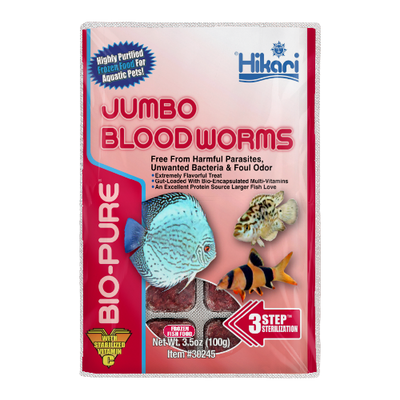


A cube of bloodworms can bring shy fish to the front glass fast, but that eager feeding response does not mean it belongs in the tank every day. Are bloodworms safe for fish? Yes, for most healthy aquarium fish when they come from a dependable source, are handled correctly, and are fed as part of a varied diet rather than as the entire menu.
Bloodworms are a popular frozen and live food because they are highly palatable, rich in protein, and easy for many fish to recognize. They can support appetite, condition breeding fish, and add useful variety to a diet built around quality flakes, pellets, granules, or species-specific prepared foods. The key is treating them as a nutritious supplement, not a shortcut to balanced nutrition.
Are Bloodworms Safe for Fish When Fed Regularly?
Bloodworms are the red aquatic larvae of non-biting midges. Despite the name, they are not parasitic worms and do not live inside fish. In appropriate portions, they are safe for many freshwater community fish, bettas, gouramis, tetras, barbs, cichlids, goldfish, and larger omnivorous or carnivorous species.
Their main safety issue is not the food itself. It is overfeeding, poor handling, or relying on bloodworms too heavily. Bloodworms are rich and appealing, so fish can fill up on them while missing the broader nutrient profile found in a complete staple food. Herbivores and fish that need substantial plant matter are especially poor candidates for a bloodworm-heavy diet.
For most community aquariums, offer bloodworms once or twice a week in a portion the fish can finish within two to three minutes. Larger predatory fish may accept larger portions, while small nano fish need only a small shaving from a frozen cube. Watch the fish rather than feeding by habit. A meal that leaves food drifting into the substrate or filter is too large.
Frozen, Freeze-Dried, or Live Bloodworms
The form you choose changes both convenience and risk.
Frozen bloodworms
Frozen bloodworms are the practical choice for many home aquariums. Freezing helps reduce the concerns associated with live foods, and portioned cubes or blister packs make it easier to control how much enters the tank. Choose a recognized aquarium-food brand, keep the package fully frozen until use, and avoid packages with heavy thaw-and-refreeze damage.
Thaw only the amount you plan to use in a small cup of aquarium water. Once thawed, feed promptly and discard leftovers. Do not refreeze a thawed portion. Some keepers strain or rinse thawed bloodworms to remove excess packing juices, which can be helpful in smaller tanks or lightly filtered setups. It is not required for every feeding, but it can reduce unnecessary organic waste.
Reliable cold-chain handling matters when buying frozen food online. Pets Warehouse ships frozen aquarium foods in insulated packaging with dry ice and Next Day Air service, backed by an Arrives Frozen Guarantee. That helps ensure the food reaches your door in the condition intended for your fish.
Freeze-dried bloodworms
Freeze-dried bloodworms are shelf-stable and convenient, but they should be soaked briefly before feeding. Dry pieces can expand after fish eat them, which may contribute to digestive discomfort if fish consume a large amount too quickly. Rehydrating them in aquarium water also helps them sink more naturally and makes portioning easier.
They are useful for occasional variety, travel, or feeding fish that readily take food from the surface. Nutritionally, they should still be considered a treat or supplement rather than a daily staple.
Live bloodworms
Live bloodworms can trigger an exceptional feeding response, particularly from picky or newly acquired fish. They also carry the greatest uncertainty. Live foods may introduce unwanted organisms, bacteria, or pollutants if they were collected or stored poorly. The risk is lower when the food comes from a reputable aquatic supplier, but it is never as predictable as properly stored frozen food.
If you use live bloodworms, buy only what you can feed promptly, keep them cool according to supplier directions, rinse them with clean conditioned water if appropriate, and never dump their holding water into the aquarium. For most hobbyists, frozen bloodworms offer the better balance of nutrition, convenience, and control.
Which Fish Benefit Most From Bloodworms?
Bloodworms are particularly useful for fish that naturally eat insect larvae, small invertebrates, or other meaty foods. Bettas often respond well to a modest serving as part of a varied diet. Many community fish, including tetras, rasboras, mollies, platies, angelfish, and dwarf cichlids, will also take them readily when the pieces are appropriately sized.
Bottom-oriented fish may enjoy bloodworms that reach the substrate, but feeding location matters. Corydoras, loaches, and some catfish can benefit from the occasional meaty food, yet they should not be forced to compete with fast surface feeders. Target feeding or feeding after the lights dim can help the intended fish get their share.
Goldfish can eat bloodworms, but moderation matters. Their diet should remain centered on quality goldfish foods and plant-forward options that support digestion. The same caution applies to African cichlids that require a more herbivorous diet. A small occasional treat may be acceptable for some fish, but frequent bloodworm meals can work against their nutritional needs.
Saltwater fish may eat bloodworms, but they are usually not the most natural or complete choice for marine species. Marine-focused frozen foods, mysis shrimp, brine shrimp, copepods, and species-specific blends generally provide a better fit for a saltwater feeding plan.
How to Feed Bloodworms Without Clouding the Water
The simplest method is to thaw a small amount, pour off excess liquid if desired, and add the food slowly where your fish normally feed. Feed less than you think you need the first time. Bloodworms are dense, and a small portion goes further than many dry foods.
A full frozen cube can be too much for a small aquarium. Break off a corner while the cube is still frozen, or thaw the cube and divide it into portions before feeding. If a package uses individual blisters, one blister is still often more than a betta tank or nano community needs. Share the portion across tanks only if you can do so promptly and hygienically.
After feeding, look for leftover worms on the bottom, cloudy water, or a sudden increase in detritus. Remove uneaten food with a siphon or net. Excess food breaks down quickly, adding ammonia-producing waste and putting extra strain on filtration. This is especially risky in new aquariums, overstocked tanks, or systems with already elevated nitrate levels.
Signs You May Be Feeding Too Much
A fish that eagerly eats bloodworms is not necessarily hungry. Overfeeding can show up as a swollen belly, stringy waste, reduced interest in staple food, or food accumulating in the aquarium. Water-quality changes may be more obvious than changes in the fish at first: cloudy water, a dirty substrate, and rising ammonia or nitrite are immediate concerns.
If your fish develops persistent bloating, constipation-like symptoms, or unusual behavior after rich foods, stop feeding bloodworms for the moment. Return to a suitable staple diet, check water parameters, and consider the fish's natural dietary needs. Ongoing symptoms, rapid breathing, ulcers, clamped fins, or loss of balance warrant advice from an aquatic veterinarian or an experienced fish-health professional.
Common Bloodworm Feeding Questions
Can bloodworms cause disease in fish?
Properly stored frozen bloodworms from an established manufacturer are generally a low-risk option. Live bloodworms carry more variable risk because their source and holding conditions matter. No food can compensate for poor water quality, so clean water and sensible portions remain the foundation of fish health.
Can fish eat bloodworms every day?
Most fish should not. Daily bloodworms can crowd out balanced prepared foods and add more richness than many species need. They work best as an occasional rotation with other appropriate foods.
Are bloodworms safe for baby fish?
They can be, if the food is finely chopped and appropriate for the fry's size and species. Very small fry often need microscopic foods first, while larger fry may accept minced bloodworms as they grow.
A good feeding routine should make your fish active at mealtime without making tank maintenance harder afterward. Keep bloodworms as one useful part of a varied menu, portion them carefully, and let your fish's species, size, and water quality guide every serving.