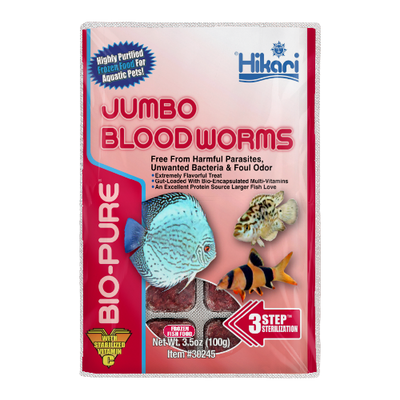


A fish that tears into a bloodworm cube can make the answer seem obvious. But are bloodworms good for fish in every tank, every day, and for every species? Not quite. Bloodworms are a highly palatable, protein-rich food that can support condition, growth, and feeding response, yet they work best as part of a varied diet rather than the only thing in the menu.
For many freshwater community fish, cichlids, bettas, goldfish, and juvenile fish, frozen bloodworms are a useful supplement to quality pellets, flakes, gels, algae-based foods, or species-specific prepared diets. The right portion and schedule matter as much as the food itself.
What bloodworms offer aquarium fish
Despite the name, bloodworms sold for aquarium feeding are typically the red larvae of non-biting midges. Their red color comes from hemoglobin, which lets them live in low-oxygen environments. For fish, that vivid color, soft texture, and natural movement after thawing make them difficult to resist.
Bloodworms are valued primarily for protein and appetite appeal. They can be especially useful for fish that are settling into a new aquarium, recovering their appetite after stress, or refusing dry food. Many carnivores and omnivores recognize them as prey immediately, so a small serving can help encourage a hesitant feeder to eat.
Frozen bloodworms also offer a practical advantage over live food: they are convenient to portion and store. Reputable frozen products are processed for aquarium use and held frozen until feeding. That gives hobbyists a dependable way to keep an appealing, moisture-rich food on hand without maintaining live cultures.
Still, a fish's eagerness does not make bloodworms a complete diet. They should be treated like a rich food with a job to do, not as an everyday replacement for balanced staple nutrition.
Are bloodworms good for fish as a daily food?
For most home aquariums, no. Bloodworms can be good for fish, but daily heavy feeding can create problems. Their nutritional profile does not cover every vitamin, mineral, fatty acid, and plant-based requirement that different fish need over time. Fish that graze algae, consume vegetable matter, or need marine-based proteins will not thrive on bloodworms alone.
Overfeeding is the more immediate concern. Uneaten worms break down quickly, adding waste that can raise ammonia or nitrate and burden filtration. Even when every bite is eaten, frequent large portions can contribute to excess body condition and digestive trouble in fish that are prone to it.
A better approach is to use bloodworms as a rotating treat or conditioning food. For a typical mixed freshwater community, one or two bloodworm feedings per week is often plenty. Fish being conditioned for breeding, young fish with higher energy needs, or fish recovering from a period of poor appetite may benefit from somewhat more frequent, carefully measured servings. Watch the fish and test water quality rather than following a fixed schedule blindly.
Which fish benefit most?
Bloodworms are most useful for carnivorous and omnivorous fish that naturally eat insect larvae, small invertebrates, or other animal matter. Bettas, gouramis, angelfish, many tetras, barbs, rainbowfish, loaches, freshwater puffers, and numerous cichlids usually take them readily. Goldfish can enjoy them as an occasional treat, though their main diet should remain a quality goldfish food with appropriate fiber.
They can also be valuable for finicky feeders. A newly acquired discus, shy apistogramma, nocturnal loach, or picky marine fish may respond to bloodworms when dry food is ignored. In those cases, bloodworms can start the feeding response, but the goal should be to transition the fish toward a broader routine when possible.
Herbivores and algae-focused species need more caution. Plecos, many mbuna cichlids, and fish that rely heavily on plant material should receive bloodworms sparingly, if at all. Their digestive systems are better supported by foods made for their natural diet, including algae wafers, vegetable-based pellets, and appropriate fresh vegetables where suitable.
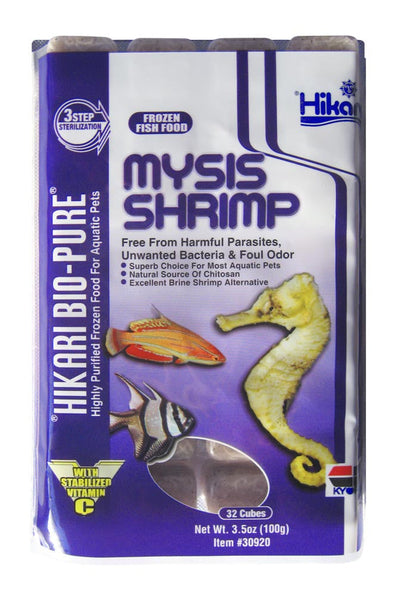
Saltwater fish may eat bloodworms, but they are generally not the most natural long-term choice for marine species. Marine fish often benefit more from varied marine-origin foods such as mysis shrimp, brine shrimp enriched with quality nutrition, chopped seafood blends, and species-appropriate prepared diets. Bloodworms can add variety, but they should not become the foundation of a saltwater feeding plan.
How to feed frozen bloodworms without fouling the tank
Frozen food is easy to use well when the portion is controlled. Start with less than you think your fish need. A cube can be too much for a small aquarium, so break off a piece while it is still frozen or use a product packaged in smaller portions.
Thaw the portion in a small cup of aquarium water, then feed only what the fish can finish within roughly two to three minutes. A turkey baster or feeding pipette can place food near bottom dwellers, inside a cave area, or away from a surface-feeding crowd. This is helpful in community tanks where fast tetras or angelfish might otherwise take nearly every worm before loaches or corydoras get a chance.
Some keepers rinse thawed bloodworms through a fine net before feeding. This can reduce loose packing juices entering the aquarium, particularly when feeding a heavily stocked tank or a system with sensitive water-quality demands. It is not a substitute for proper portions, but it is a sensible housekeeping step.
Remove any obvious leftovers promptly. If food routinely remains on the substrate, reduce the next serving. Cloudy water, rising nitrate, persistent debris, or fish that become less interested in their staple food are all signs that bloodworm portions or frequency should be adjusted.
A balanced feeding rotation works better
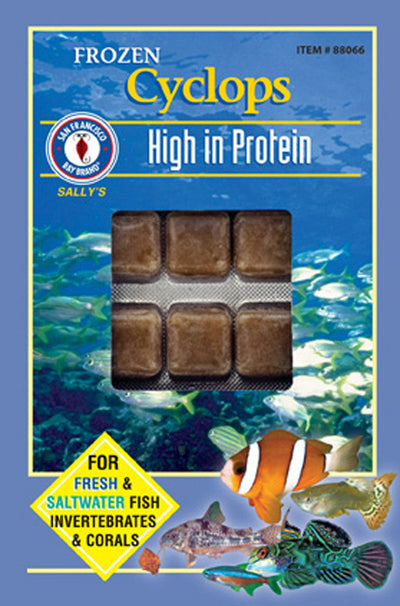
The strongest feeding programs match food to the fish rather than relying on one crowd-pleaser. A community tank might receive a quality daily flake or pellet, occasional frozen bloodworms, and another frozen option such as brine shrimp, daphnia, or mysis. Bottom feeders may need sinking foods after the lights dim, while herbivorous species need vegetable-forward choices built into the weekly routine.
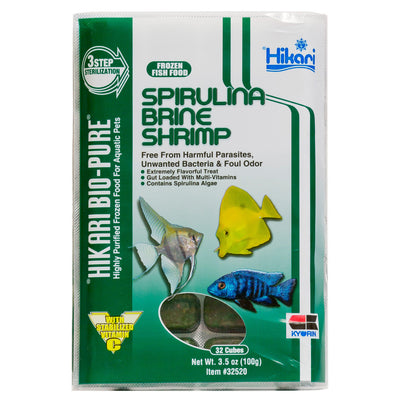
Variety is not just about keeping fish excited at feeding time. Different foods help cover different nutritional needs and encourage more natural behavior. Daphnia, for example, can be a lighter option for some fish, while mysis provides a substantial marine-based protein source. Spirulina formulas and algae wafers help balance diets for species that need plant matter.
If your aquarium includes several species, feed strategically. Give the main prepared food first, then offer a small bloodworm portion where it will reach the intended fish. That reduces the chance that one aggressive eater gets all the rich food while slower fish miss their regular nutrition.
Choosing and storing frozen bloodworms
Look for aquarium food from established manufacturers with clear storage instructions and consistent portioning. Keep frozen bloodworms solidly frozen until use. Do not thaw a whole package, refreeze it, and repeat the cycle. Repeated thawing can compromise food quality and makes it harder to feed cleanly.
When ordering frozen aquarium food, dependable cold-chain handling matters. Pets Warehouse ships frozen orders Monday through Wednesday by Next Day Air in insulated packaging with dry ice and an arrives-frozen guarantee. Once the order arrives, transfer it to the freezer promptly and keep the package closed until feeding time.
Do not feed any frozen food that has a questionable odor, appears badly thawed and refrozen, or has been stored improperly. A clean, well-managed feeding routine protects both the fish and the aquarium's biological balance.
Bloodworms earn their place in the freezer because fish love them and many species benefit from the added variety. Feed them in measured portions, pair them with a complete staple diet, and let your fish's condition and water quality guide the schedule. That is how a favorite treat becomes a useful part of long-term aquarium care.