


A filter that has slowed down, a heater that reads a few degrees off, or a fish that suddenly refuses dry food can change the day-to-day condition of an aquarium quickly. The right aquarium supplies are not just add-ons to a tank. They are the working parts of a stable system - the equipment, food, water care, and replacement components that help fish and invertebrates thrive.
A well-stocked aquarium cabinet also prevents rushed purchases. When you know what your tank needs, you can replace worn media, test water before a problem grows, and keep consistent food on hand for the species you keep.
Start Aquarium Supplies With the Tank’s Needs
There is no single shopping list that works for every aquarium. A five-gallon betta setup, a planted community freshwater tank, a reef aquarium, and a predator tank may all use glass, water, and filtration, but their needs are very different. Size, stocking level, water temperature, flow requirements, and whether the aquarium is freshwater or saltwater should guide every purchase.
Start with the foundation: an appropriately sized tank, secure lid, stand rated for the aquarium’s filled weight, lighting, heater when required, and a dependable filtration system. Equipment should be selected for the actual water volume, not just the tank’s label. Substrate, rock, wood, plants, and décor matter too, particularly because they affect swimming space, shelter, and cleaning access.
Compatibility matters just as much as capability. A powerful circulation pump may be useful in a reef system but exhausting for slow-moving freshwater fish. Bright plant lighting can support demanding aquatic plants, yet it may also encourage algae if nutrient dosing and maintenance do not match. Buy for the animals and setup you have, not for the highest specification on the box.
Filtration and Water Care Do the Daily Work
Healthy aquarium water is maintained through consistent filtration and routine care, not by a single bottle or one oversized water change. Most filters combine mechanical, biological, and chemical filtration. Mechanical media traps visible debris. Biological media gives beneficial bacteria a surface on which to process fish waste. Chemical media, such as activated carbon or specialized resins, can be useful for specific water-quality goals, but it is not always necessary in every setup.
Keep replacement filter cartridges, pads, sponges, and media on hand for the equipment you own. Check dimensions and model compatibility before ordering. A cartridge that looks nearly identical may not fit correctly, and forcing it into place can reduce flow or allow water to bypass the media.
Water conditioners, test kits, thermometers, and maintenance tools belong in every fishkeeper’s supply plan. Test kits help you monitor ammonia, nitrite, nitrate, pH, and other parameters relevant to your aquarium. These readings tell you more than clear water can. An aquarium can look clean while ammonia or nitrite is at a dangerous level.
For routine maintenance, use a gravel vacuum or siphon, dedicated algae scraper, bucket reserved for aquarium use, and a water conditioner suitable for your water source. Saltwater keepers may also need a refractometer or hydrometer, marine salt mix, and purified water equipment depending on their system and water conditions. Replace test reagents before expiration, because an inaccurate result can lead to an unnecessary correction.
Choose Food for the Fish You Keep
Food is one of the most important aquarium supplies because nutrition affects activity, growth, coloration, digestion, and long-term condition. A general tropical flake may work for some community fish, but it is not a complete answer for every species. Bottom feeders, herbivores, cichlids, marine fish, fry, and finicky eaters can each need a different food size, texture, or nutritional profile.
A practical feeding routine often includes a quality staple food plus appropriate variety. Pellets may be better than flakes for larger fish or species that feed at a particular water level. Wafers and sinking foods make it easier to feed bottom-dwelling fish. Algae-based foods can support herbivorous species, while carnivorous fish may benefit from protein-rich frozen foods.
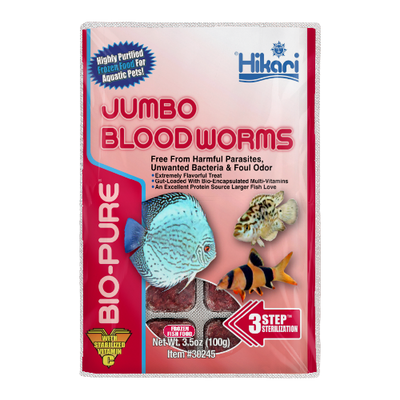
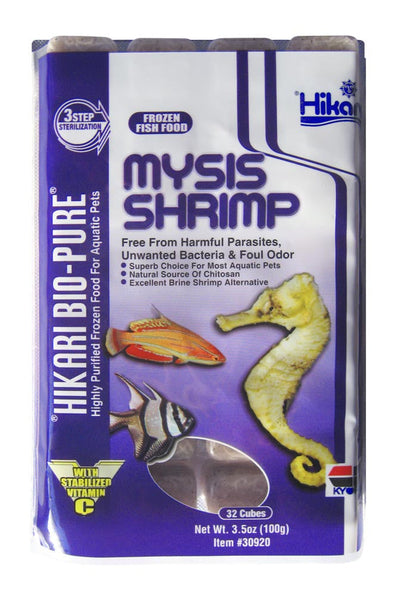
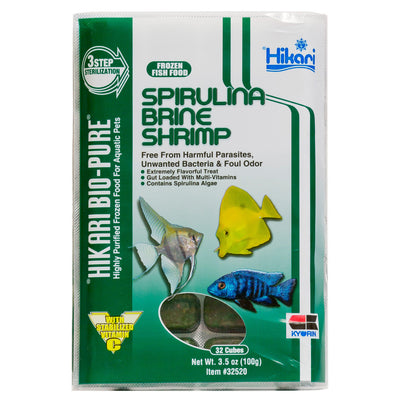
Frozen fish food is especially useful when you need a highly palatable, species-appropriate option for freshwater or saltwater fish. Choices such as brine shrimp, mysis shrimp, bloodworms, krill, and specialty blends can support varied diets and encourage feeding in selective fish. Use the right portion size. Overfeeding creates excess waste, which adds pressure to the filter and can quickly affect water quality.
For frozen food, fulfillment is part of the product. Pets Warehouse ships frozen orders Monday through Wednesday by Next Day Air in insulated packaging with dry ice. The Arrives Frozen Guarantee means that if an order does not arrive frozen, it will be made right. When food arrives, transfer it to the freezer promptly and avoid thawing and refreezing unused portions.
Keep Spare Parts Before You Need Them
Aquariums do not always fail dramatically. More often, performance slips over time: a pump becomes noisy, an impeller wears down, air tubing hardens, a heater struggles to hold temperature, or light output declines. Replacement parts are among the most practical supplies to keep available because they reduce downtime when a component reaches the end of its service life.
For established tanks, it is smart to know the model numbers for filters, pumps, heaters, lights, and protein skimmers. Keep those details with your aquarium records, along with tank volume and key water parameters. This makes it easier to order the correct impeller, intake tube, O-ring, bulb, lid, gasket, or filter media without guessing.
A basic backup plan is worthwhile, especially for heavily stocked, saltwater, or temperature-sensitive tanks. Consider keeping a spare air pump, airline tubing, check valve, heater, and battery-powered aeration option. You may never need all of them, but a simple backup can protect livestock during an equipment failure or power interruption.
Build a Maintenance Routine Around Your Supplies
The best aquarium equipment works better when it is used on a schedule. Set aside time each week to observe fish behavior, check temperature and water level, inspect filter flow, and remove visible debris. Perform water testing and water changes as needed for your tank’s stocking level and water results.
Monthly tasks may include cleaning intake screens, checking tubing and seals, wiping salt creep from marine equipment, inspecting lids and cords, and assessing whether lights or filter media need attention. Do not replace all biological media at once unless there is a clear reason. Beneficial bacteria live on those surfaces, and replacing every piece can disrupt biological filtration.
Avoid treating a test result without understanding the cause. If nitrate is high, the answer could involve feeding, water-change frequency, source water, stocking level, decaying material, or filter maintenance. Additives have a place, but they cannot replace consistent husbandry and correctly sized equipment.
Shop With a System, Not a Guess
Before placing an order, check what is running low, what is nearing replacement, and what your specific fish will need over the next few weeks. Group purchases by purpose: food, water care, filter maintenance, cleaning, and emergency backup. This approach makes it less likely that a routine job stops because you are out of dechlorinator or the correct filter pad.
The goal is not to own every available product. It is to keep dependable supplies that fit your aquarium, your livestock, and your maintenance routine. A prepared fishkeeper can spend less time reacting to preventable problems and more time enjoying a tank that looks and performs the way it should.